
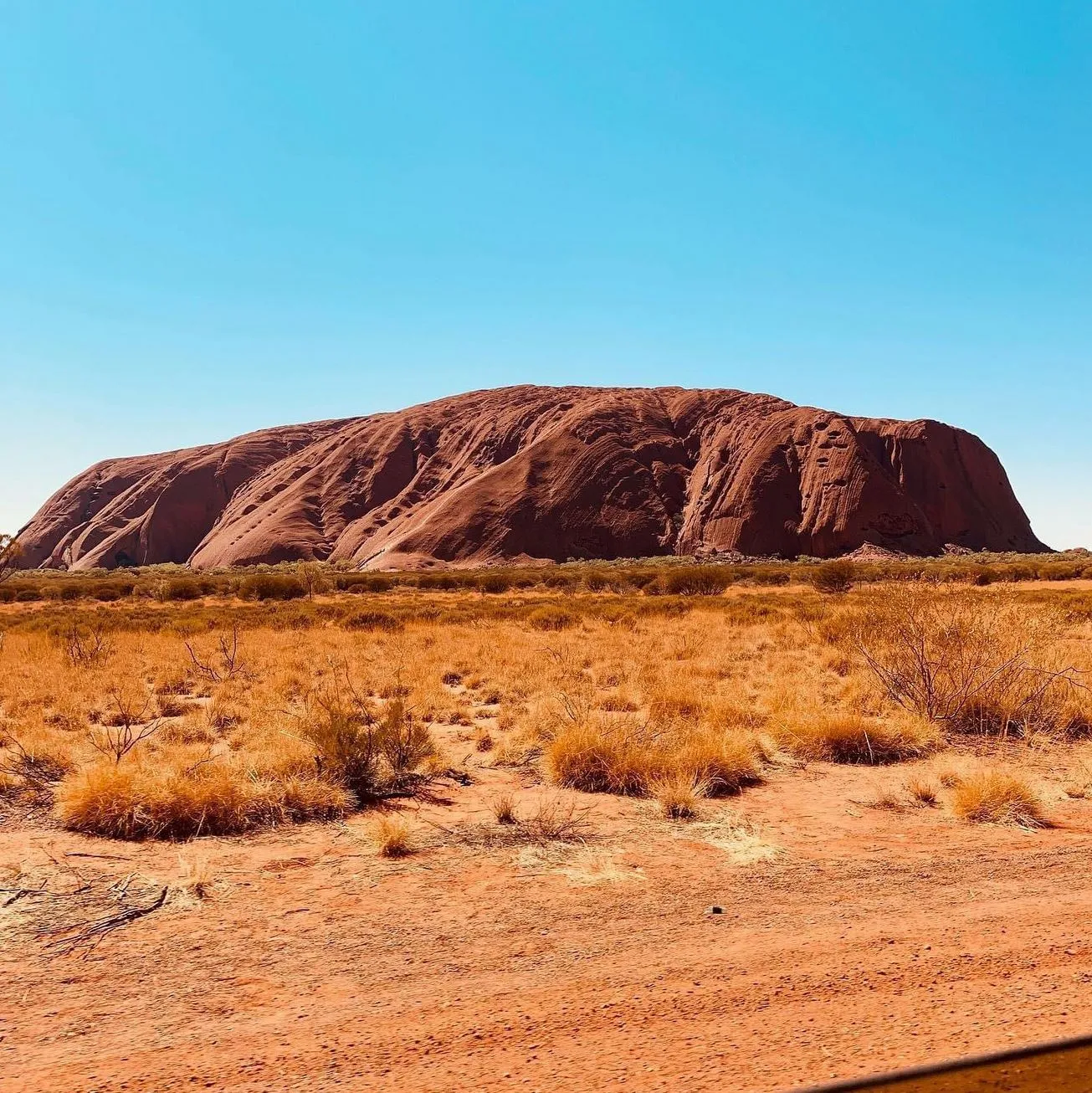
Ayers Rock (also known as Uluru) is one of Australia’s most iconic natural wonders in the middle of Central Australia. Thousands of people visit each year to experience the culture and landscape. But Uluru is in a desert, and the weather can be extreme, with big temperature fluctuations between day and night. Knowing how hot it gets at Uluru and the seasons is key to a comfortable and safe visit.
Whether you want to experience the culture, see the scenery, or learn about the plants and animals, Uluru tours have something for everyone to help you make the most of this place.
Contents
Desert Climate: Big Temperature Fluctuations

Ayers Rock (Uluru) is in the Uluṟu-Kata Tjuṯa National Park, in Australia’s Red Centre, where the climate is hot summers and cold winters. The desert terrain means big temperature fluctuations with big differences between daytime and cool, sometimes freezing, nights.
Summer at Uluru

Summer (December to February) is hot. The maximum temperatures regularly go over 40°C (104°F) during these hotter months. Summer brings dry conditions with occasional monsoonal storms, heavy rain and tropical cyclones, making it the driest time of the year. Summer can be intense, especially in the middle of the day so it’s best to do sightseeing tours in the cooler mornings or late afternoons to avoid the hottest part of the day.
The wet season comes in from November to March with occasional rain, but the region gets very little rainfall, only 300mm per year. The wet season storms, including thunder and afternoon rain, are often spectacular but short, cooling the area down temporarily. Visitors should always carry a water bottle and stay hydrated to avoid dehydration in this extreme desert heat.
Winter at Uluru: Cold Time
Winter (June to August) is cool, perfect for visitors who like mild days and cold nights. Daytime temperatures in winter are much more comfortable, 15-22°C (59-72°F) while night temperatures can drop to 0-5°C (32-41°F) especially in June, the coldest month. The cold season also brings morning frosts adding to the coolness, especially in the early hours. Winter nights are much colder than summer nights, so warm layers are a must when visiting during these months.
Winter is good weather to see the natural environment of Uluru and Kata Tjuta (The Olgas) and is a popular time for cultural tours focused on Aboriginal culture and rock art sites. The cooler weather means it’s a comfortable time to hike and sightsee, so winter is the best time for outdoor activities.
Autumn and Spring: Mild and Comfortable

Autumn (March to May) and spring (September to November) are the moderate months at Uluru, a mix of cool and warm weather. Daily temps are 25-35°C (77-95°F), with cooler nights to escape the summer heat. Perfect for tourists, great for longer stays and exploring the landscapes, flowers and waterholes.
In spring, desert flowers bloom and add colour to the landscape; in autumn there are calm days with occasional storms to cool the region and after the long hot summer. Both spring and autumn are the best time to visit Uluru, avoiding the extremes of summer and winter.
Uluru’s Weather: Dry and Wet Seasons

Uluru’s climate is affected by the dry and wet seasons. The dry season is from April to October, with dry conditions and moderate temps. Daytime is comfortable, and evenings cool down, especially in the colder months. The wet season from November to March can bring heavy rain and monsoonal storms, but not as wet as other parts of tropical Australia. The rainfall is unpredictable. Brief storms can be dramatic and refreshing.
Knowing the temperature variations throughout the year and the cooling effect of afternoon rain or storms will help you have a comfortable trip to Uluru. Always be prepared for temperature drops and extreme changes and wear sun protection; hat, sunscreen and breathable clothing to stay safe in the desert.
Seasonal Temperature Chart for Uluru
| Season | Daytime High (°C/°F) | Nighttime Low (°C/°F) | Weather Tips |
|---|---|---|---|
| Summer | 40°C to 45°C / 104°F to 113°F | 20°C to 25°C / 68°F to 77°F | Avoid outdoor activities at midday |
| Autumn | 25°C to 35°C / 77°F to 95°F | 10°C to 15°C / 50°F to 59°F | Great for hiking and tours |
| Winter | 20°C to 25°C / 68°F to 77°F | 0°C to 5°C / 32°F to 41°F | Bring warm layers for evenings |
| Spring | 25°C to 35°C / 77°F to 95°F | 10°C to 15°C / 50°F to 59°F | Excellent for adventure tours |
Uluru Weather Tips

- Hydrate: Uluru’s dry climate and heat means you need to carry plenty of water. A water bottle is a must to avoid dehydration, especially in the summer months when it gets hot.
- Dress for the Occasion: Layering is key to managing temperature fluctuations. In summer, light and breathable clothing will keep you cool, in winter warm layers are needed for cold nights and mornings.
- Do Activities in the Cooler Hours: In the hot summer months, do outdoor activities like visiting Kata Tjuta, hiking or sightseeing in the early morning or late afternoon to avoid the peak heat.
- Pack for Cold Nights: Even in the hotter months, the temperature can drop significantly at night. Pack warm clothing, including a jacket or warm layers, so you’re comfortable for evening activities or stargazing.
- Check the Weather: Keep an eye on daily temperatures and check for cyclone or afternoon storm warnings, which can disrupt travel plans or create hazardous conditions.
When to Visit Uluru
The best time to visit Uluru really depends on what you want to experience. If you like moderate temperatures and clear skies, then the cooler months of autumn and spring are perfect for sightseeing. Winter has cool days and cold nights, which is great for exploring the natural wonders of the area. But if you don’t mind the intense summer heat and occasional storms, then a summer visit is just as good, provided you take the necessary precautions against the heat and stay hydrated.
With its stunning landscapes, iconic rock formations and vibrant Aboriginal culture, Uluru is an experience year-round. Whether you visit in the hottest months, cooler months or in between seasons there’s always something special to see at this Australian desert icon.
FAQ
What’s the hottest month in Uluru?
January is Uluru’s hottest month, with daytime temperatures often reaching 40°C (104°F).
Is it safe to visit Uluru in the summer?
Yes, but do outdoor activities in the early morning or late afternoon, wear sun protection and stay hydrated.
What’s the coldest time of year at Uluru?
June is the coldest month at Uluru, with nighttime temperatures often below 0°C (32°F).
What should you bring for a winter visit to Uluru?
Warm clothing, including layers, jacket and hat, is a must for cold nights and mornings.
When is the best time to visit Uluru for good weather?
Best time to visit Uluru for good weather is in autumn or spring when the temperatures are moderate and the landscape is at its best.