Adelaide still Australia’s Australia’s food capital in 2026? A Guide to the New Central Market – it’s a question that might seem a bit clickbait-y, but actually it’s a fair one in a country that’s always had a big appetite for food trends. I’m going to put it bluntly – yes, Adelaide still has the title, but it’s not shouting about it & it’s not trying to outdo Sydney or Melbourne.
What keeps Adelaide in the conversation is the same thing that’s always made it a food destination in the first place – a practical, down-to-earth food culture that just happens to be anchored by the Adelaide Central Market. And in 2026, that market is still the heart of the city – the place where people go to get the good stuff.
Contents
- 1 How South Australia Built a Food Culture That Sticks
- 2 What’s Changed & What Stays the Same
- 3 The Traders Who Hold It Altogether Together
- 4 What Locals Eat When No One’s Watching
- 5 Why Keeping It Short Is Just Good Business Sense
- 6 The Numbers That Back Up Adelaide’s Rep
- 7 Eating Beyond the Market – Without Over-Thinking It
- 8 Food Waste And The Human Side Of The Plate
- 9 Staying Central And Exploring Further Afield
- 10 What Adelaide’s Food Scene Really Means Now
- 11 FAQ
- 11.1 Is The Central Market Still A Regular Stop For Locals?
- 11.2 Does Eating Out In Adelaide Feel More Low-Key Than Other Capitals?
- 11.3 Is The Market Easy To Fit In On a Short Visit?
- 11.4 Does Adelaide Have Any Other Eating Options Beyond City Centre?
- 11.5 Is Adelaide Worth Including In a Broader South Australia Trip?
How South Australia Built a Food Culture That Sticks

South Australia didn’t just wake up one day and decide to become a foodie haven – it just sort of grew into it. The people who shaped what we eat here – migrant families, market gardeners, winemakers, fishers – were all doing their thing long before ‘tasting menus’ & ‘foodie’ became a thing.
The geography of the place does a lot of the heavy lifting, of course – the Adelaide Hills are right on our doorstep, supplying us with fresh veggies, dairy and all sorts of other goodies. The Barossa Valley makes sure we’ve got wine on hand & Kangaroo Island is a stone’s throw away for seafood & honey from Liguria. Being close to all that means our food stays seasonal, affordable and – most importantly – honest, even when the rest of the world is getting pricier.
What’s Changed & What Stays the Same
The Adelaide Central Market in 2026 feels just like the old place when you step inside – same buzz, same smell, same risk of getting flattened by some panic-checking shopper with a trolley. But behind the scenes, things are getting sharper and more resilient.
The upgrades were all about making the place work better
Better cold storage for the meat and seafood, so it stays fresh
Navigation and digital display boards that actually make sense
Actually useful seating for people to hang out in – none of that fake ‘we need more seating’ corporate stuff
The one thing that hasn’t changed is the human stuff – stallholders still bickering over the perfect tomato, regulars still know exactly where they’re going, and you’ll still see chefs grabbing some fresh produce between services – the little details that only come from being around the block for a while & seeing how a city really lives.
The Traders Who Hold It Altogether Together
Markets really come alive thanks to the people who keep trading in the same old way. It’s Adelaide’s strength and where she gets her character from – people who’ve stuck around through thick and thin.
You still come across:
Lucia Rosella is keeping the place going with the same old-school Italian cooking that’s been there since, at Lucia’s Pizza & Spaghetti Bar
Say Cheese, doing proper cheese, the real deal, not just some novelty fridge fare
Marino Meat & Food Store is run by Riccardo Marino, who’s setting the standard that others are chasing
Sunmi’s Sushi, showing you that you don’t have to skimp on the quality just because it’s fast food
Le Souk, Les Deux Coqs, and Le Deux Coqs (same story, different spelling – you see how that is)
These aren’t flash-in-the-pan pop-ups; they’re actual businesses that feed Australian families week in, week out.
What Locals Eat When No One’s Watching
Want to get a real feel for what’s going on in Adelaide’s food scene? Don’t go checking out the fancy restaurants – keep an eye on where people are actually lining up.
On any old weekday, you’ll see:
Office workers are grabbing a quick bite from the Asian Gourmet place
Parents splitting a pizza slice and some pasta between them
Chefs buying in the good stuff for service – yellowtail kingfish, fresh herbs, and all that
Dishes like paté en croute or arroz atollado pop up without any fuss. And that’s the point – food here doesn’t need to put on a show. It speaks for itself.
Why Keeping It Short Is Just Good Business Sense
In 2026, keeping things local isn’t just the right thing to do anymore – it’s also a sound business strategy. Adelaide has a big advantage, being so compact and well-connected.
Produce moves from the farm to the stall in no time at all. Australian seafood doesn’t sit around on a ship for days. Australian wine comes straight from the cellar door, without doing all those complicated freight gymnastics. When prices start rising elsewhere, Adelaide copes with it a lot better than most capital cities.
It’s one of the reasons all those tour groups on their Adelaide excursions always comment on how far their money goes once they sit down to eat.
The Numbers That Back Up Adelaide’s Rep
Here’s how Adelaide stacks up using the most current hospitality and tourism data available – right up to the end of 2025, and including some inside info from the South Australian Tourism Commission.
| Food & Hospitality Metric | Adelaide | Melbourne | Sydney |
|---|---|---|---|
| Local Produce Sourcing (State-Based) | ~68% | ~41% | ~38% |
| Average Mid-Range Meal | $32 AUD | $45 AUD | $48 AUD |
| Farmers Markets Per 100k Residents | 5.6 | 3.9 | 3.2 |
| 3-Year Hospitality Survival Rate | 61% | 49% | 46% |
That last line is pretty key. Adelaide doesn’t just open up venues – it keeps them thriving.
Eating Beyond the Market – Without Over-Thinking It
Step out of the Market Precinct, and you’ll find that Adelaide keeps things pretty low-key.
Walking distance will get you to:
Peel St, where you can grab some tasty modern Aussie grub
Ebenezer Place, where the night owls go for a drink
Hains & Co and Pink Moon Saloon, where the real cocktail aficionados hang out
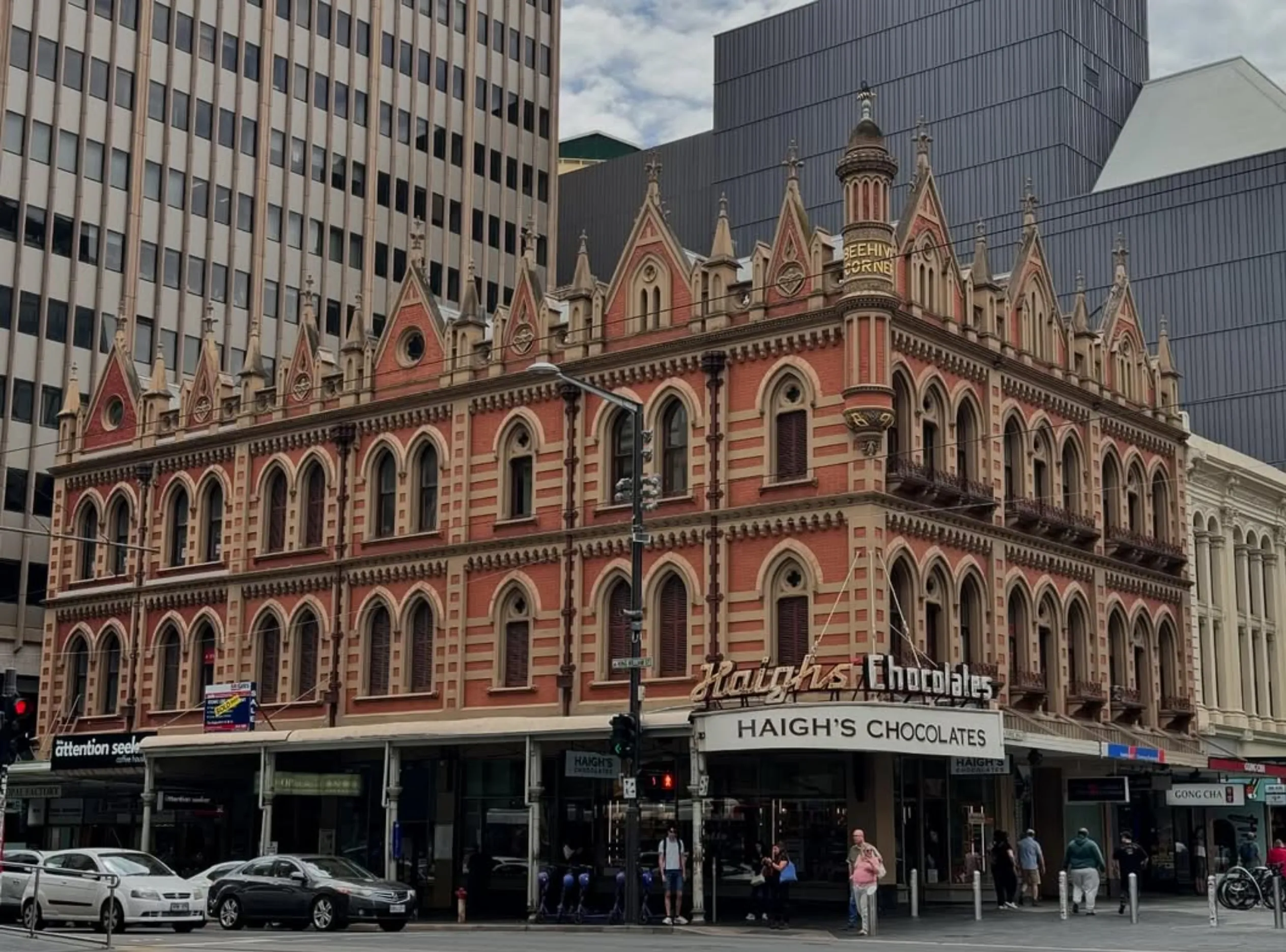
Chocolate lovers still make the pilgrimage to Haigh’s Chocolates, and locals can’t stop arguing over who does the best long black at the Coffee Bean Shop. It’s not about flash and glamour – it’s about getting the job done.
Food Waste And The Human Side Of The Plate
One thing Adelaide does really well is reduce food waste quietly – smaller menus, seasonal buying, markets that sell out instead of throwing out.
This approach pretty much mirrors the broader Australian culture – small family businesses, stallholders who have been there for decades, and a no-nonsense attitude to keeping things simple. Chefs like Adam Liaw have been saying that markets like Adelaide’s work because they show you the people behind the food, not just the finished dish.
Even drinks are along for the ride. You’ll spot local distillers trying out stuff like green ant gin – interesting, but not trying too hard to be gimmicky.
Staying Central And Exploring Further Afield
If you’re staying near the city, spots like the Mayfair Hotel will put you within strolling distance of the market, museums and all the good places to eat. They’ve got rooms to suit both the short-stay crowd and those who want to hang around for a bit longer – with deals like “Stay Longer Pay Less“.
From there, day trips are a piece of cake:
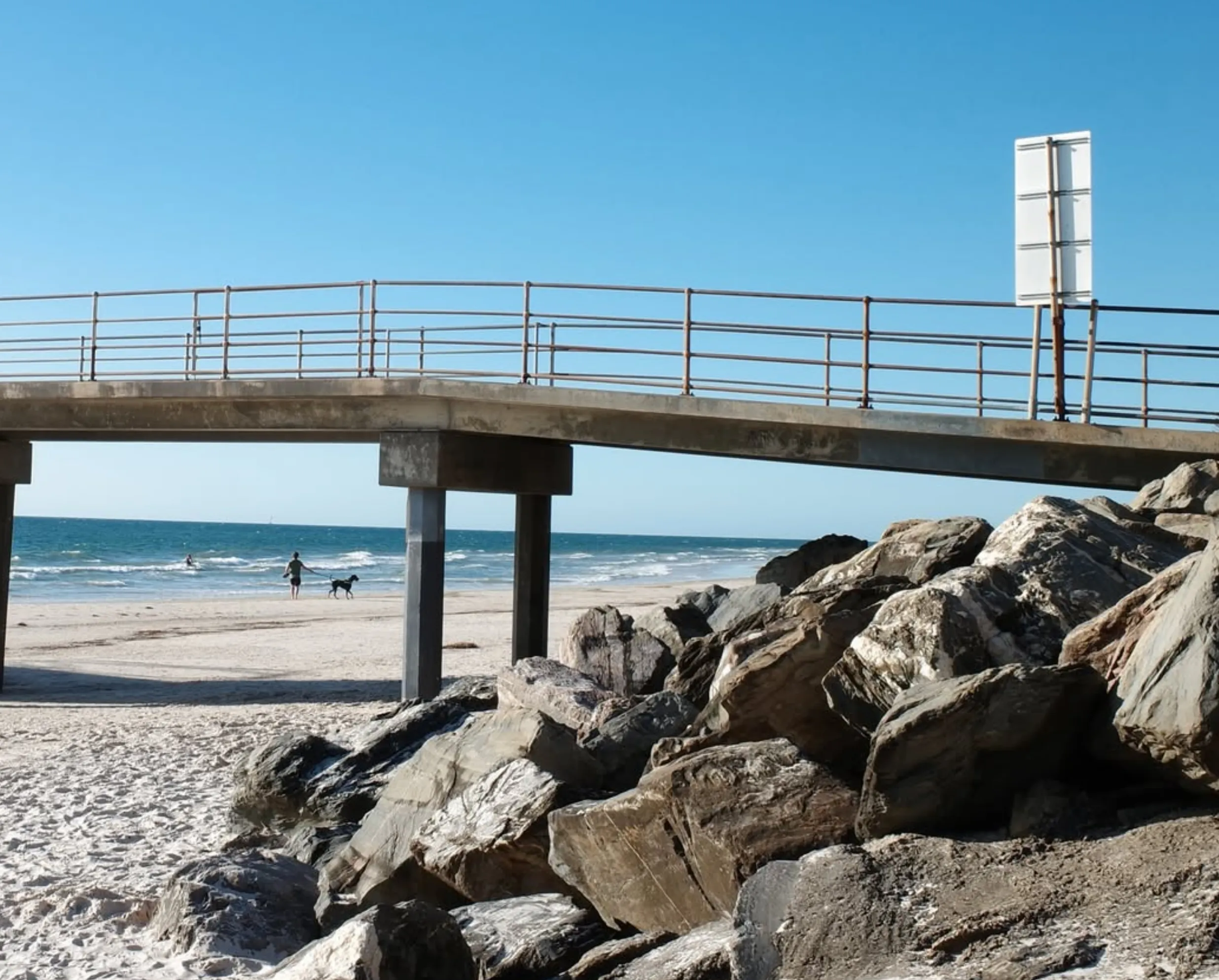
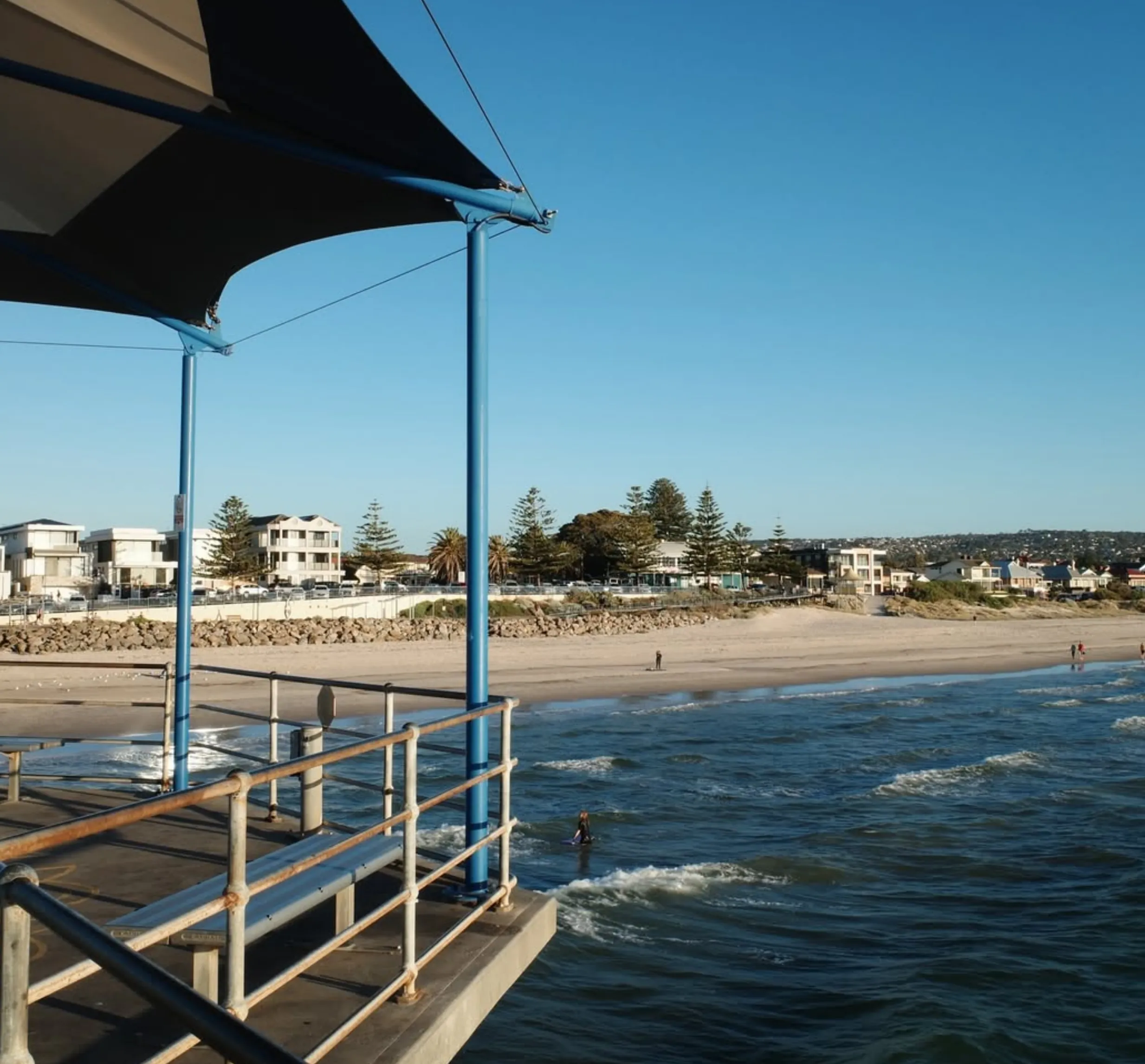
Glenelg Beach is just a short hop for some sea air
The d’Arenberg Cube is worth a visit for its wine with a bit of an edge
Seal Bay or Pink Lake are the place to go for a dose of nature
The South Australian Museum is a great place to get a feel for the local culture
For travellers booking with Wildlife Tours, these add-ons tend to slot in pretty neatly with days focused on food, especially for visitors combining wildlife trips with a taste of the city.
What Adelaide’s Food Scene Really Means Now
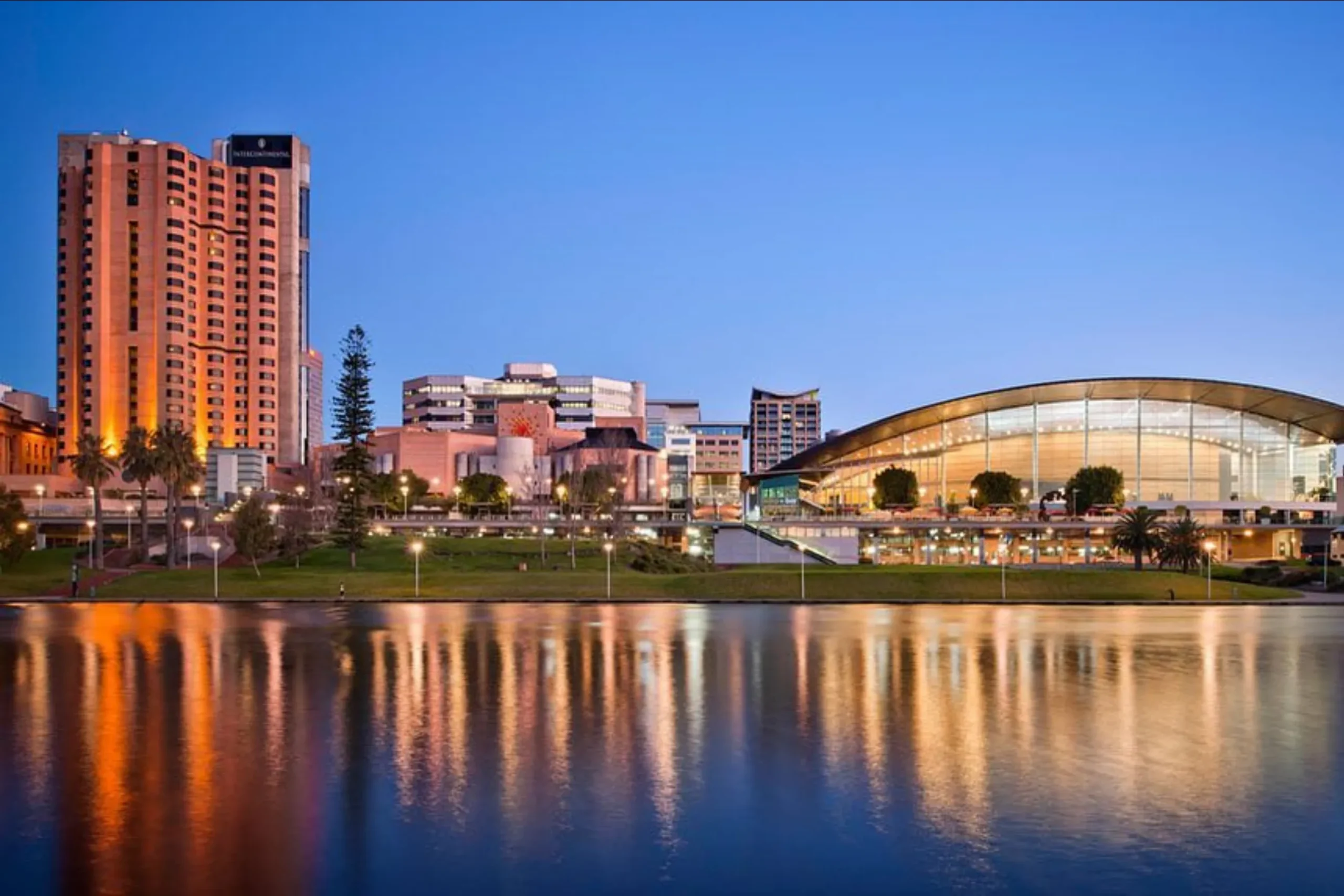
If, when we say “food capital”, we’re talking about the loudest gang or the biggest personalities, Adelaide’s probably not going to win the argument.
If, on the other hand, we mean:
Being able to get your hands on some decent fresh produce whenever you need it
Being able to grab a bite to eat without breaking the bank on a daily basis
Having growers, chefs and the community working hand in hand
Then Adelaide still owns the title in 2026 – no trouble at all.
The Adelaide Central Market is living proof. It’s a madhouse, it’s useful, sometimes a bit of a zoo, and that’s why it’s so good.
If you’re planning a trip out here and want some help sorting out market days, regional jaunts or making the most of Adelaide’s wildlife, then I’d be stoked to share what’s working at the moment – not what looked cool 10 years ago.
FAQ
Is The Central Market Still A Regular Stop For Locals?
Yeah, it sure is. Locals shop here every day, which keeps things fair and the food up to scratch
Does Eating Out In Adelaide Feel More Low-Key Than Other Capitals?
Generally, yes – you can get a feed without breaking the bank and without having to sacrifice on quality or the size of the plate.
Is The Market Easy To Fit In On a Short Visit?
Easy peasy – it’s a short walk from most of the main hotels and works really well with a part-day city trip.
Does Adelaide Have Any Other Eating Options Beyond City Centre?
Oh yeah – the wine country, the beaches and the wildlife areas are all pretty much on the doorstep.
Is Adelaide Worth Including In a Broader South Australia Trip?
Absolutely – it’s a great base for food, wine, culture and a bit of regional travel.