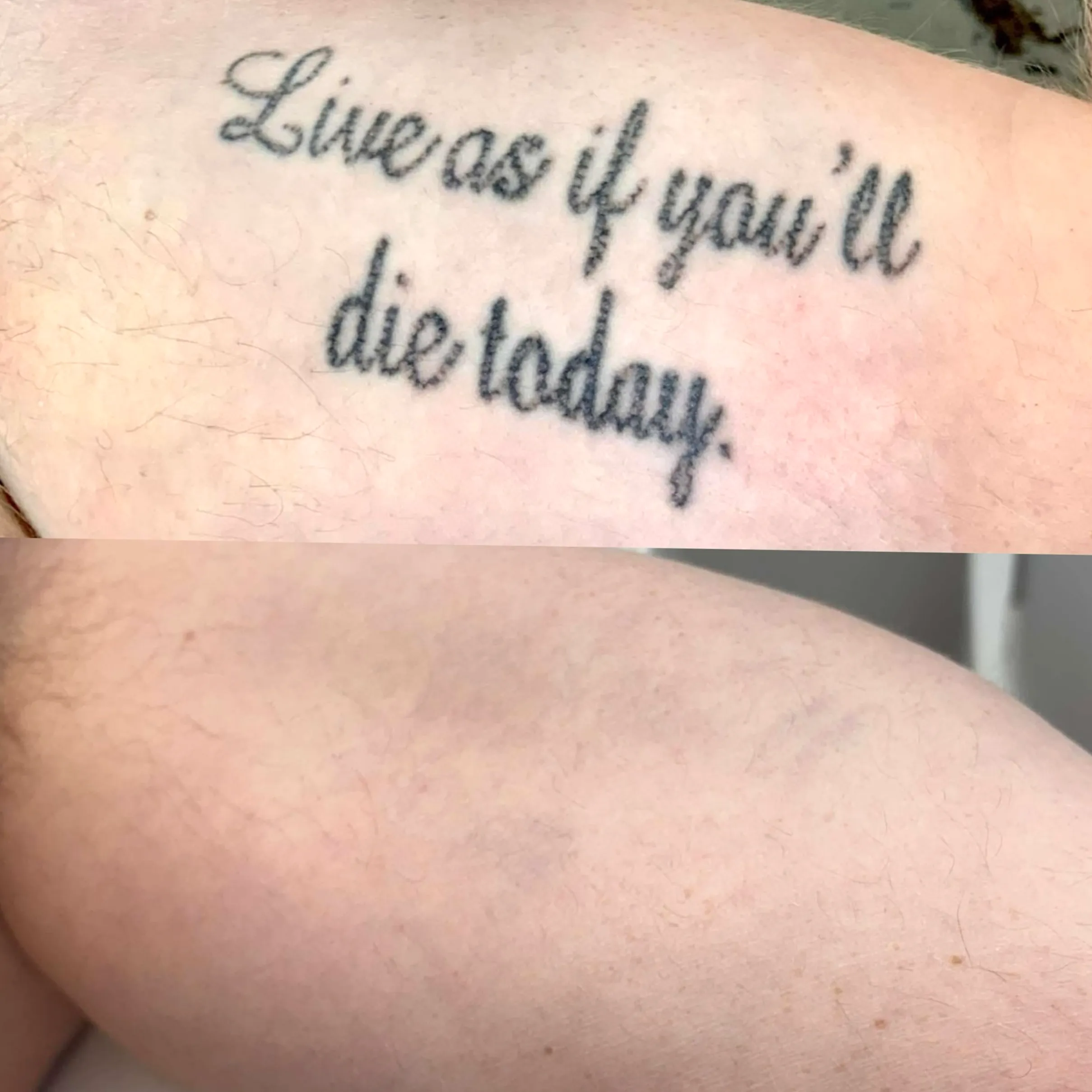
So you’re here wondering does health insurance cover tattoo removal? Well, you’re not alone. Over the years in the beauty and skin industry at Cosmetic Tattoo Studio Melbourne Face Figurati, I’ve met many clients who’ve fallen out of love with their ink — whether it’s a cosmetic tattoo that faded poorly, a professional tattoo that no longer feels relevant, or an amateur tattoo that was a spur-of-the-moment decision. Before booking tattoo removal in Melbourne, it’s worth understanding how insurance comes into play — because in most cases, you’ll be paying yourself.
Contents
- 1 Insurance Gaps When It Comes to Erasing Ink
- 2 When Ink Removal Counts as a Medical Need
- 3 Medicare vs Private Cover for Ink Procedures
- 4 The Real Costs of Erasing Ink in Melbourne
- 5 Treatment Methods and Medical Considerations
- 6 Safety, Risks and Professional Standards
- 7 Alternatives If You Can’t Get Insurance Coverage
- 8 How to Maximise Your Chances of Coverage
- 9 Final Thoughts
- 10 FAQ
Insurance Gaps When It Comes to Erasing Ink
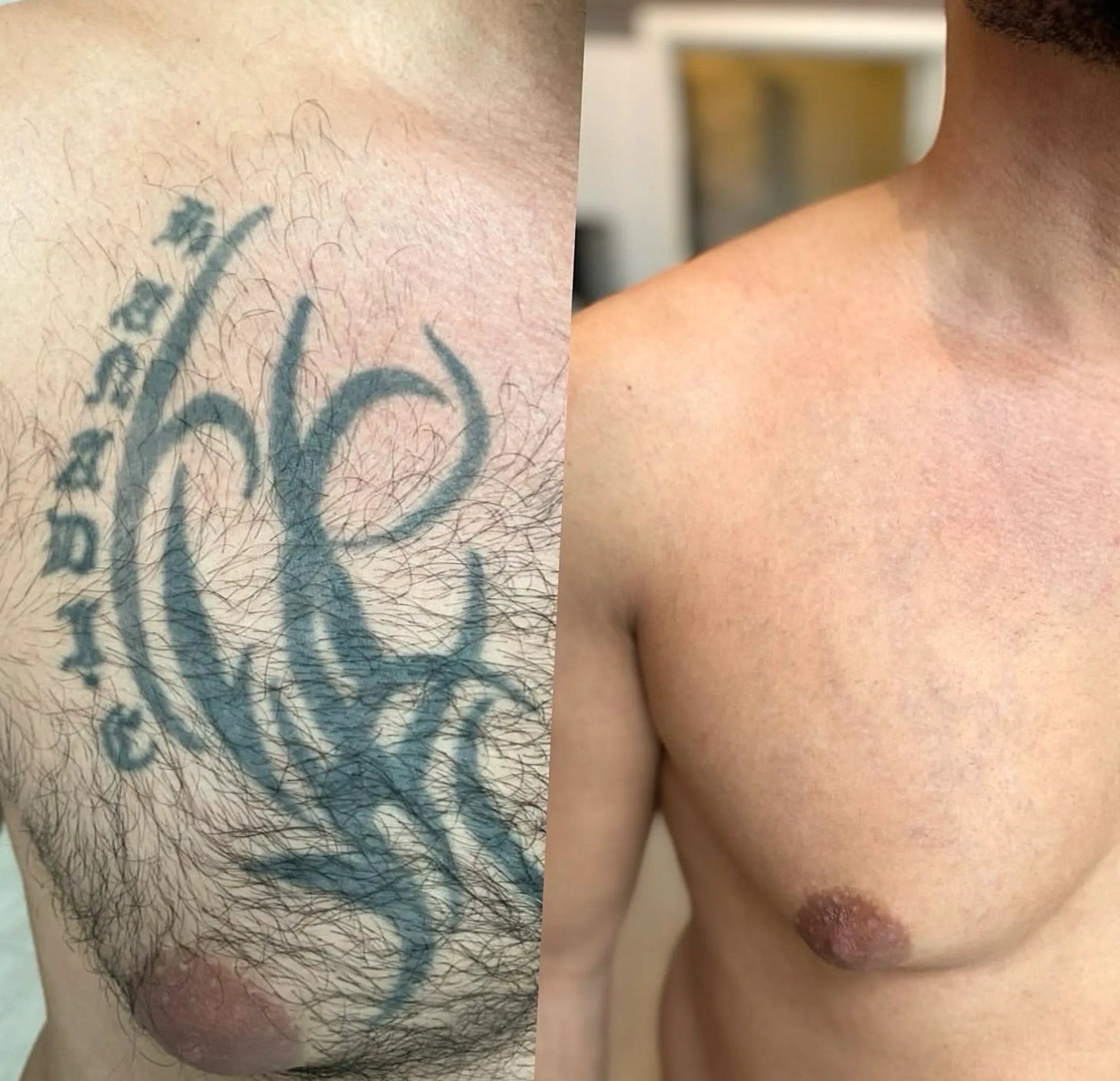
Health insurance in Australia generally focuses on medically necessary procedures, — and tattoo removal is almost always considered a cosmetic procedure. If the reason you want it gone is purely aesthetic, insurers see that as a personal choice.
However, there are exceptions. If a medical practitioner recommends your cosmetic removal tattoo for medical reasons, your case may be different. Examples include:
- Allergic reactions to tattoo ink that cause persistent dermatitis
- Ink particles triggering skin cancer investigations
- Tattoos covering suspicious moles that need surgical excision
- Tattoos obtained involuntarily (e.g., during trauma or abuse)
For these, insurers often require supporting documents from a GP, dermatologist or plastic surgeon.
When Ink Removal Counts as a Medical Need
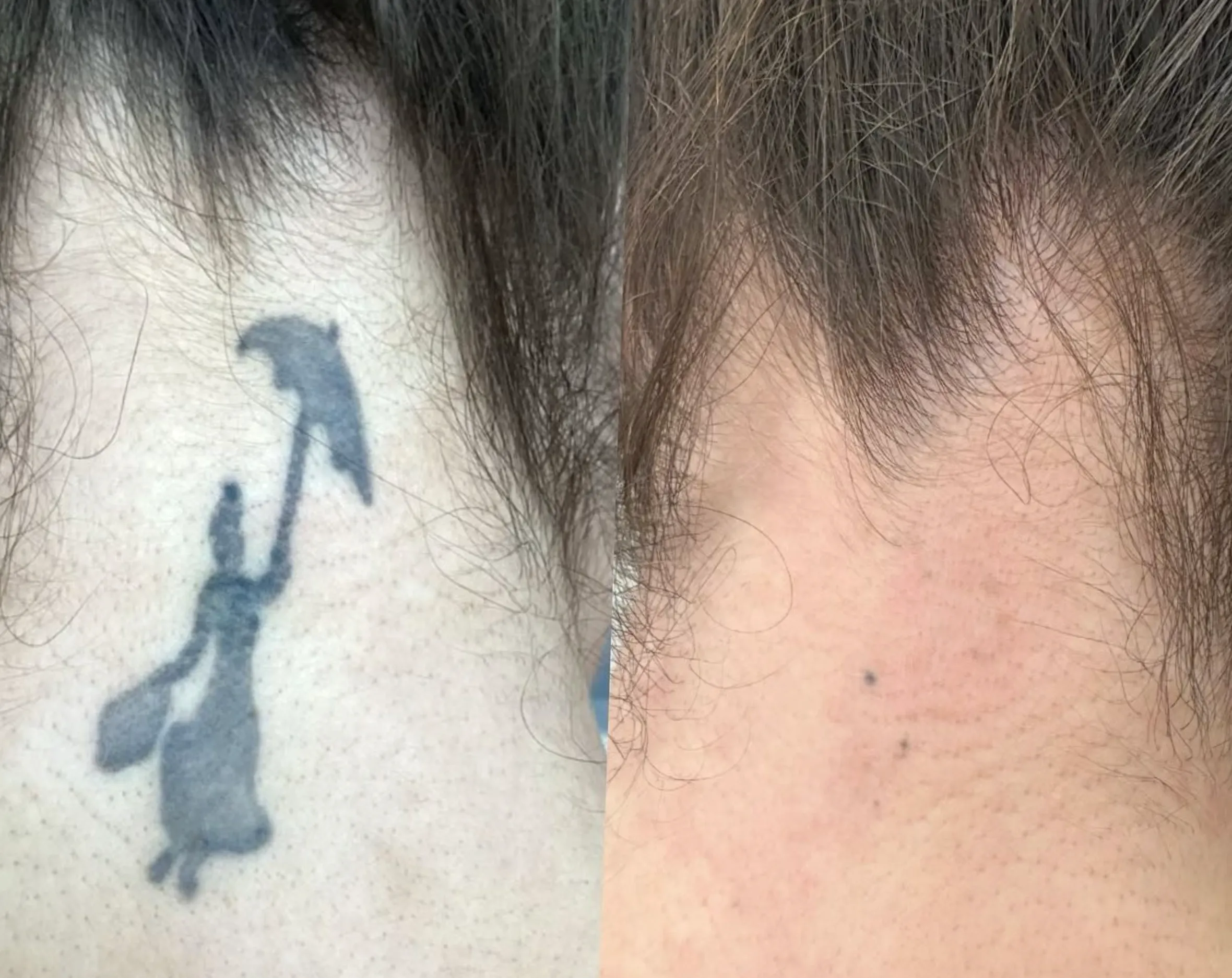
Not all tattoo removals are about changing your mind. In some cases, removal is medically necessary, and health benefit plans or voluntary benefits may cover part of the cost.
Medical scenarios where removal might be covered:
- Severe allergic dermatitis caused by tattoo ink colours
- Chronic infection in the treatment area
- Laser treatment or surgical excision is needed before skin cancer removal
- Cases involving keloid scarring or skin discolouration impacting skin surface health
- Criminal injury or abuse cases requiring removal
You’ll typically need a medical practitioner’s referral, clinical photos and a formal treatment plan.
Medicare vs Private Cover for Ink Procedures
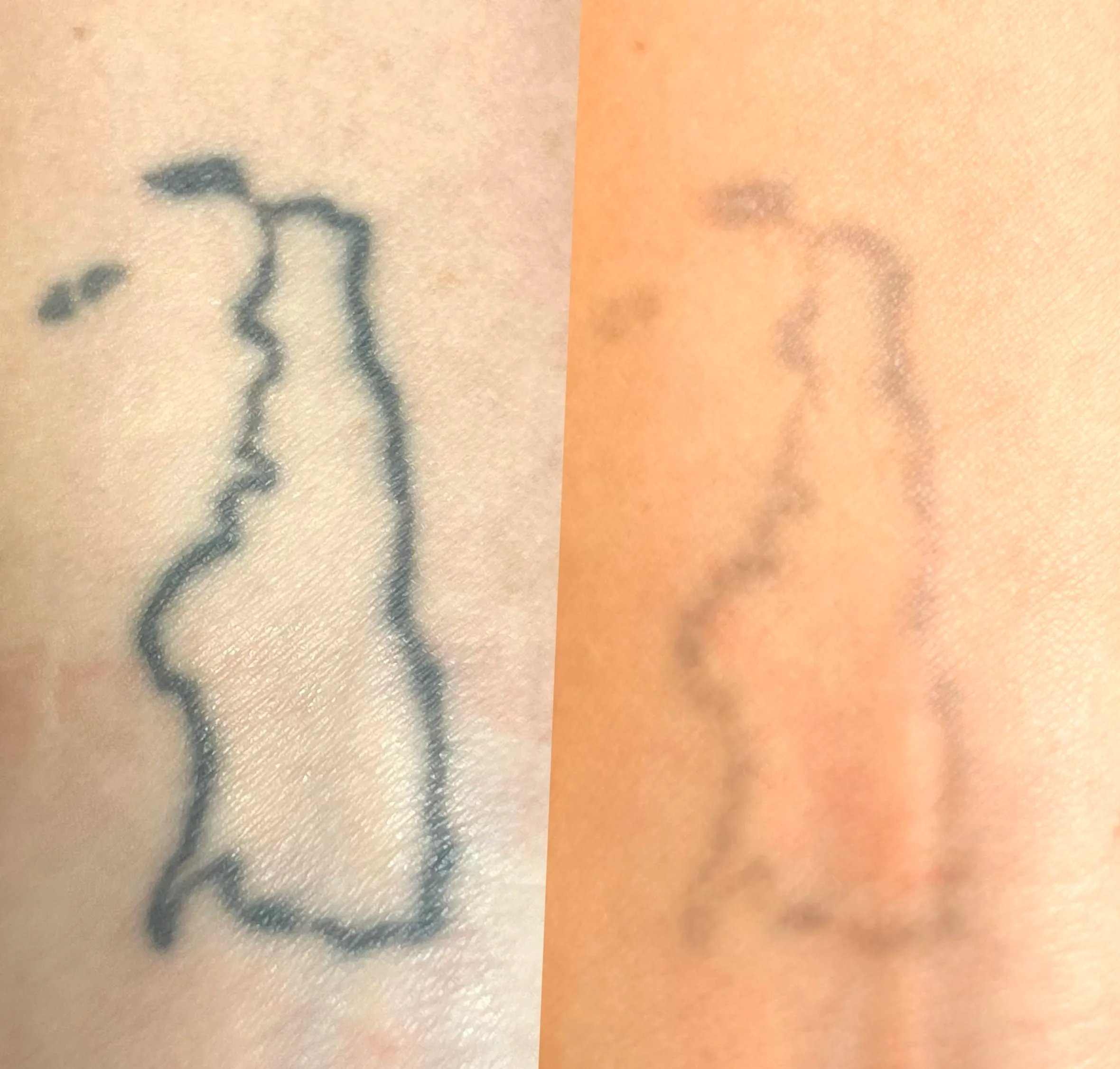
Medicare won’t cover cosmetic tattoo removal. But if laser tattoo removal is part of treating a diagnosed condition, Medicare may rebate some costs under specific item numbers.
Private health insurance policies vary. Check your contract review carefully for exclusions and clarify:
- Does your policy cover medically necessary tattoo removal
- What documentation is required
- Are there caps on the cost per session
| Scenario | Medicare Coverage | Private Health Coverage |
|---|---|---|
| Cosmetic preference | No | No |
| Allergic reaction | Possible (with medical documentation) | Policy-dependent |
| Skin cancer treatment prep | Yes (if item applies) | Policy-dependent |
| Criminal injury tattoo | Case-by-case | Case-by-case |
The Real Costs of Erasing Ink in Melbourne
At Cosmetic Tattoo Studio Melbourne Face Figurati, the cost of laser tattoo removal depends on tattoo size, ink colours, age, professional tattoo, amateur tattoo or permanent makeup. Ultra-short pulse laser treatments are more effective but more expensive.
Typical Melbourne cost estimate (per treatment session):
- Small (1–3cm): $80–$150
- Medium (4–6cm): $150–$250
- Large (7–10cm): $250–$400+
Most tattoos require 6–12 treatment sessions, so the total cost can be $1,000 to $4,000+.
Treatment Methods and Medical Considerations
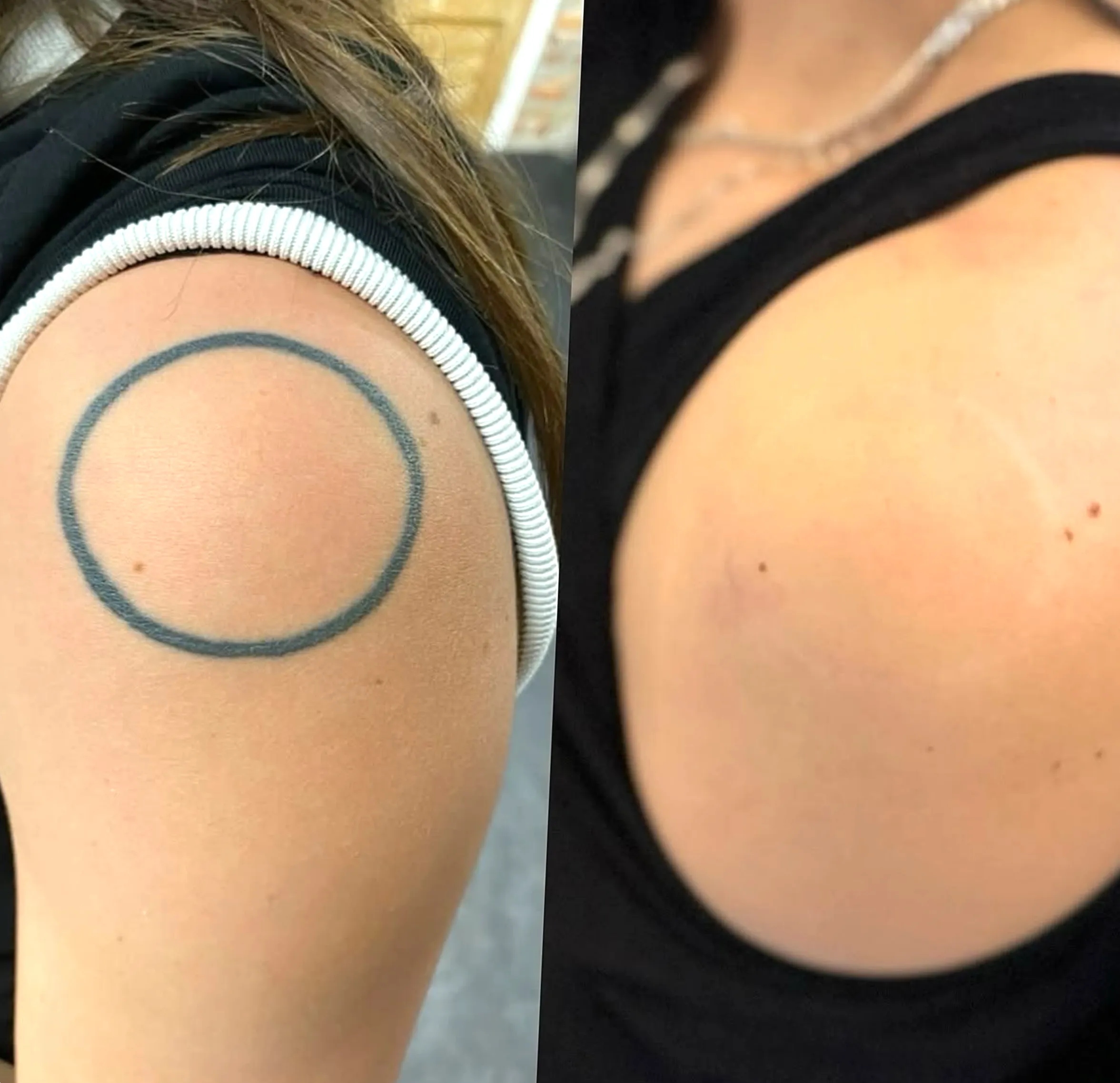
Modern removal involves laser tattoo removal, which targets tattoo ink with specific laser settings so the immune system can remove the ink. The right laser settings are crucial for safety and avoiding skin discolouration.
Other methods include:
- Surgical excision — physically cutting out the tattooed skin (sometimes requires a skin graft)
- Saline eyebrow tattoo removal — often chosen for cosmetic tattoo corrections
- Glycolic acid or trichloracetic acid chemical removal — less common, higher risk of skin surface damage
If you’re looking for the best laser tattoo removal in Melbourne, choose a clinic with medical-grade equipment and experienced technicians.
Safety, Risks and Professional Standards
Tattoo removal is an invasive procedure, so you need to choose a qualified laser technician who has completed a laser safety course. Professionals should have insurance coverage for professional indemnity, public liability and products liability to protect against liability claims, investigation costs and other legal issues.
Possible side effects:
- Keloid scarring
- Temporary or permanent skin discolouration
- Infection occurs if aftercare is poor
- Changes to skin surface texture
Using anaesthetic cream can make treatment sessions more comfortable, but aftercare is still essential.
Alternatives If You Can’t Get Insurance Coverage
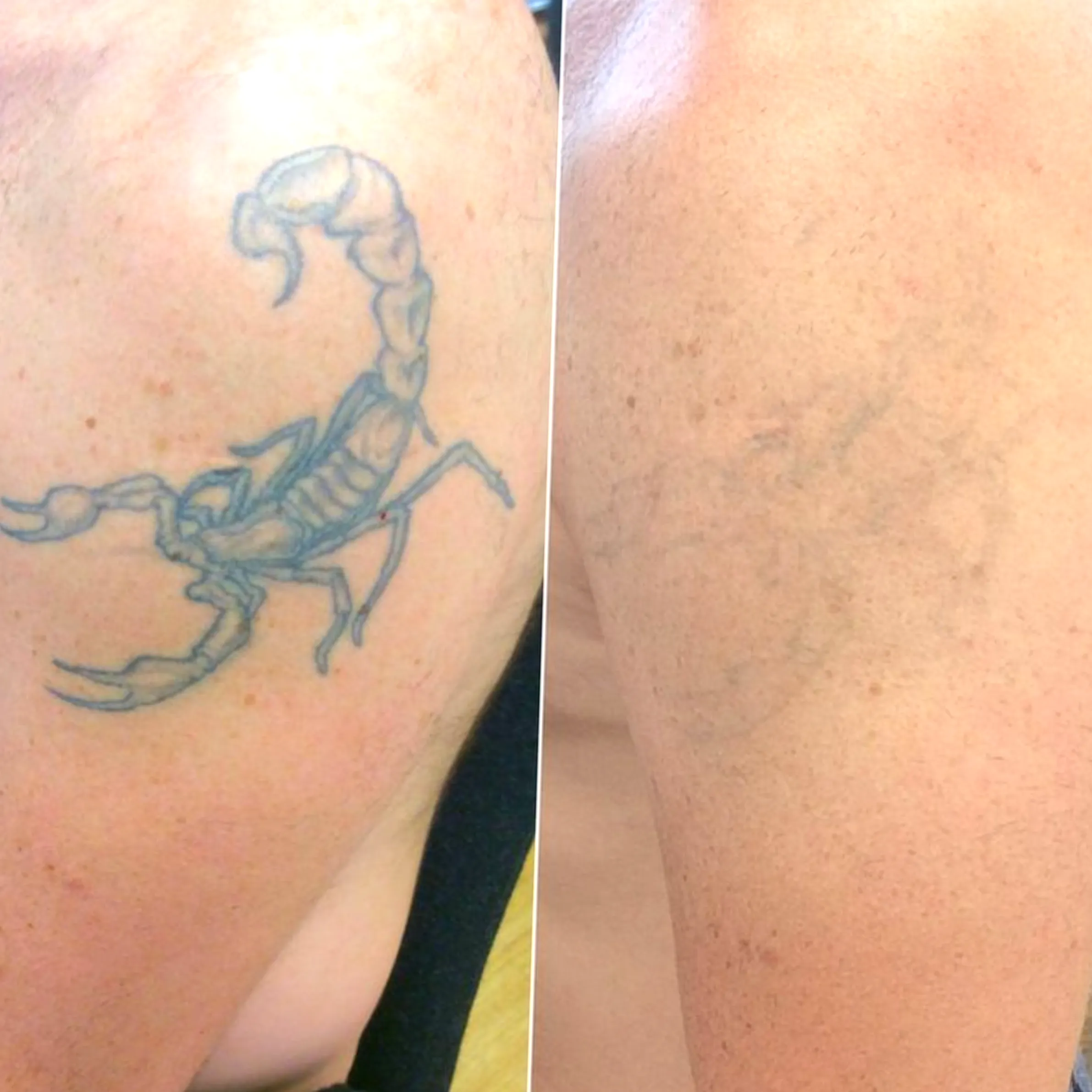
If you can’t get coverage, you may consider:
- Payment plans from removal clinics
- Fading sessions before a cover-up by a skilled tattoo artist
- Cosmetic tattoo to disguise old ink
- Victims of Crime Assistance Tribunal (VOCAT) funding in Victoria for eligible cases
How to Maximise Your Chances of Coverage
- Get a GP assessment — Have medical reasons documented
- Get a second opinion — Dermatologist or plastic surgeon
- Keep records — Photos, notes, treatment plan
- Send to your insurer — All evidence and quote
Final Thoughts
Most Australians won’t get insurance for purely cosmetic tattoo removal, but there are pathways if it’s medically necessary. Just be prepared for paperwork, multiple sessions and potentially high out-of-pocket costs.
At Cosmetic Tattoo Studio Melbourne Face Figurati, we provide safe, effective cosmetic removal tattoo services, from saline eyebrow tattoo removal to advanced laser treatment. Whether your tattoo was done by a professional tattoo artist, an amateur tattoo attempt or a permanent makeup job gone wrong, your best results will come from a customised treatment plan.
FAQ
Can I claim laser tattoo removal on Medicare?
Yes, but only for medical reasons like allergic reactions, infections or skin cancer treatment prep.
Does private health cover cosmetic tattoo removal?
No, cosmetic removal is almost always excluded.
How many sessions will I need?
Most tattoos require 6-12 sessions, depending on ink colours, skin type and laser settings.
Are chemical methods like glycolic acid safe?
They’re riskier than laser treatment and can damage the skin surface.
What insurance should my laser technician have?
Professional indemnity, products liability and public liability to protect against liability claims and investigation costs.