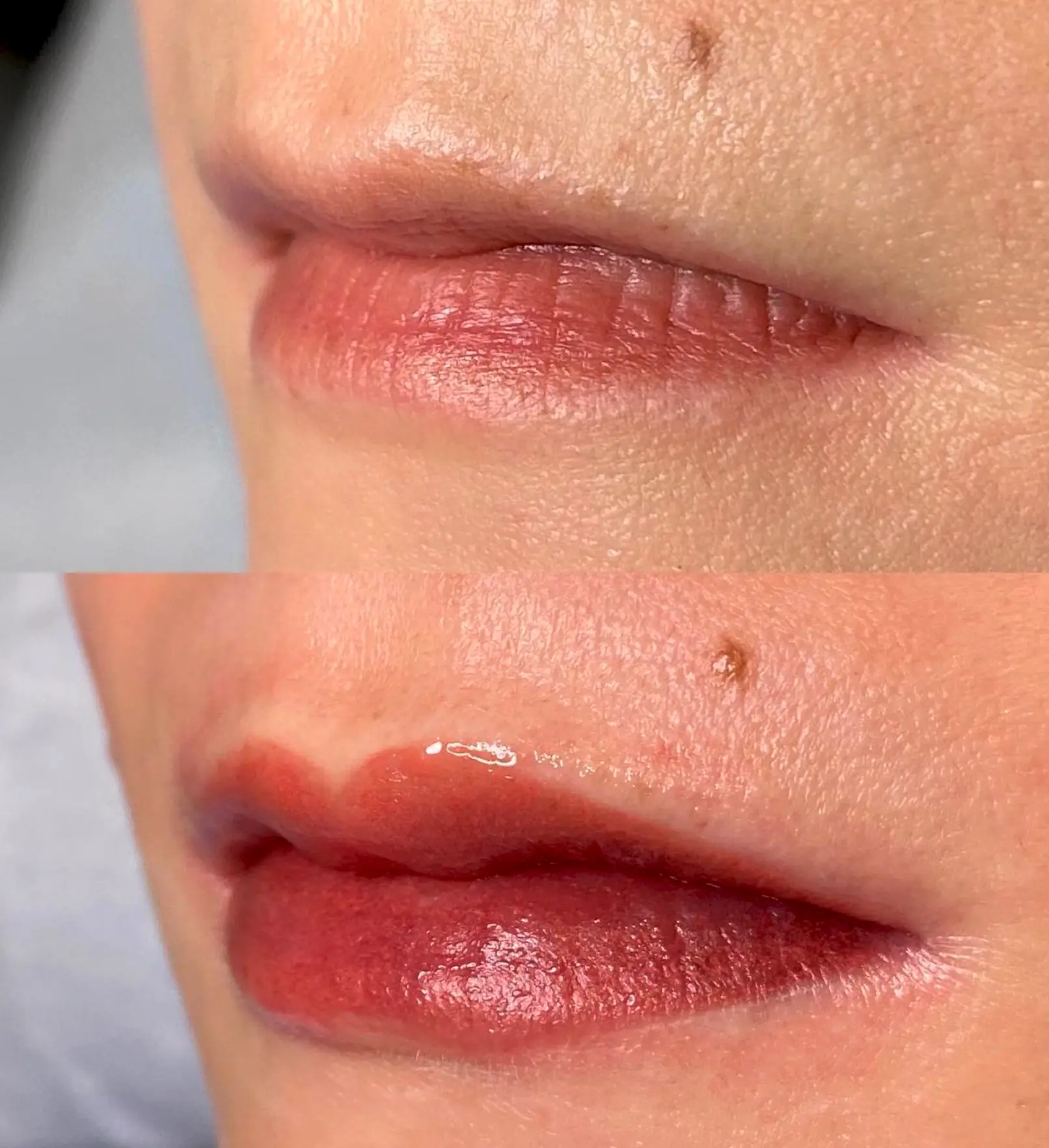
If you’ve landed here asking, “How do I know if I have a cosmetic tattoo blowout?” — you’re not alone, and no, you’re not imagining it. Whether you’ve just had your brows freshly tattooed or you’re noticing odd colour bleeding a few weeks in, we’re diving deep into what a blowout looks like, why it happens, and what your next steps should be.
At Cosmetic Tattoo Studio Face Figurati, I’ve corrected my fair share of blurry brows, migrating lip pigment, and oddly shadowed eyeliner tattoos. Cosmetic tattooing can work wonders for enhancing natural features, but like all procedures that involve your tattooed skin, things can go wrong without proper tattooing skills or aftercare. And cosmetic tattoo blowouts? They’re one of those real-talk topics not enough artists want to unpack publicly. So let’s do it here.
Contents
- 1 What Is a Cosmetic Tattoo Blowout?
- 2 The Early Signs
- 3 What Causes Cosmetic Tattoo Blowouts?
- 4 Can You Fix?
- 5 What To Do
- 6 Final Thoughts
- 7 FAQ
What Is a Cosmetic Tattoo Blowout?
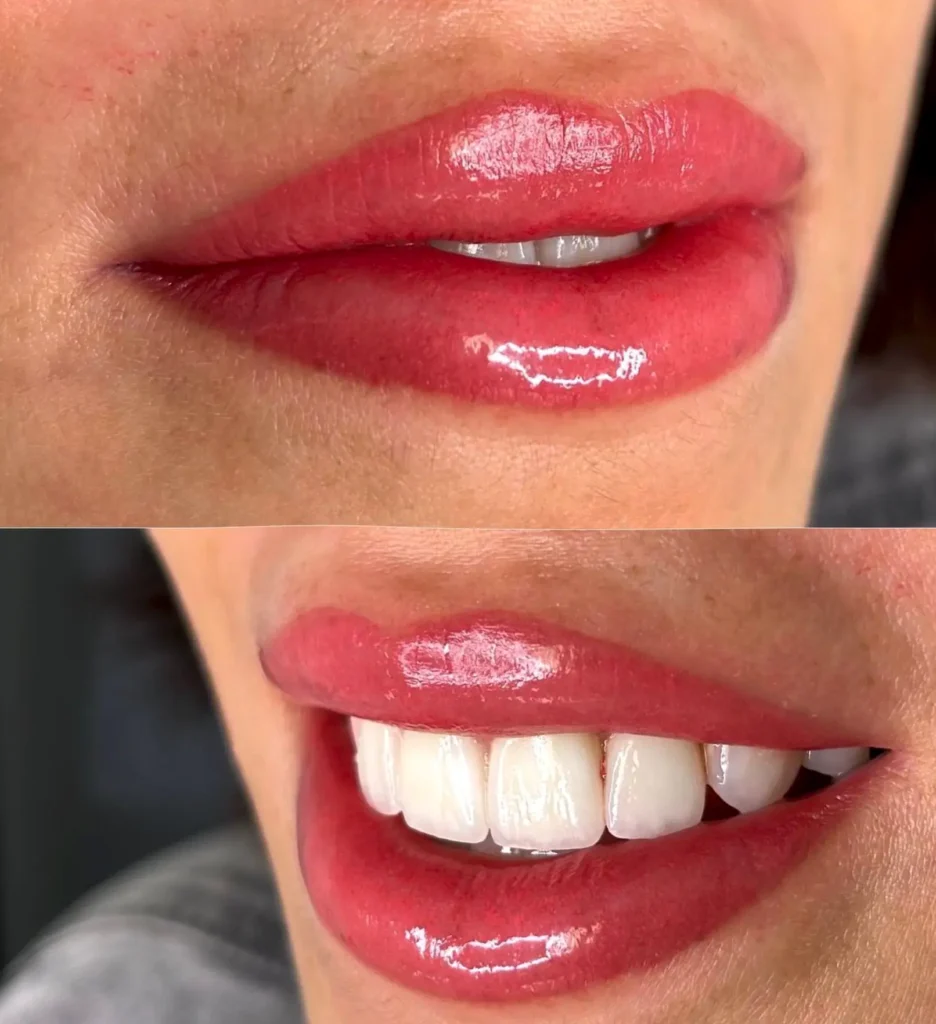
You’ve heard of tattoo blowouts with decorative tattoos — but yes, it happens in cosmetic tattooing too. A blowout is when tattoo ink spreads underneath the skin in an unintended, often blurry or cloudy way. It usually looks like a shadow or halo around the tattooed area.
Think of it like water spreading through a paper towel — except it’s ink particles seeping into the fat layer or deeper dermis instead of sitting nicely on the correct skin surface. It can occur with:
- Eyebrow tattoos (often seen as bluish or greenish haze or halos around tattoos)
- Lip blush tattoos (where colour leaks slightly outside the vermilion border)
- Eyeliner tattoos (can look like grey shadows around the lash line)
If you’re working with a skilled cosmetic tattoo artist, the likelihood of this happening drops significantly.
The Early Signs
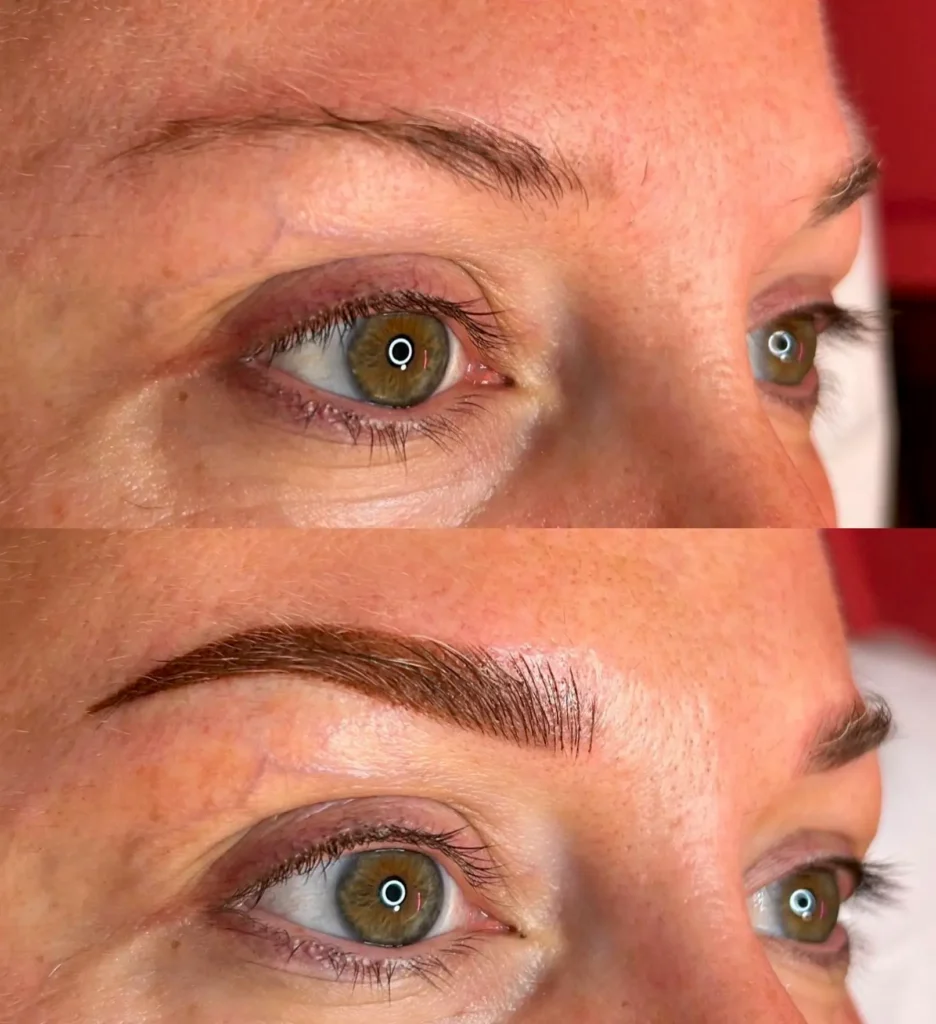
Let’s break it down. You’ve just had your original tattoo done. Everything looks fine at first. But within a few days or weeks, you notice something’s…off.
Watch for:
- Smudgy edges that don’t follow the original design
- Grey or blue tints spreading under the skin (common in brows)
- A blurry halo effect outside the lip line or eyeliner area
- Ink appearing lower or wider than it was tattooed
- Tattoo lines looking fuzzy or uneven
These signs often appear after swelling goes down and the tattoo healing process begins. Sometimes it’s noticeable within a week, sometimes it sneaks up a month in.
What Causes Cosmetic Tattoo Blowouts?
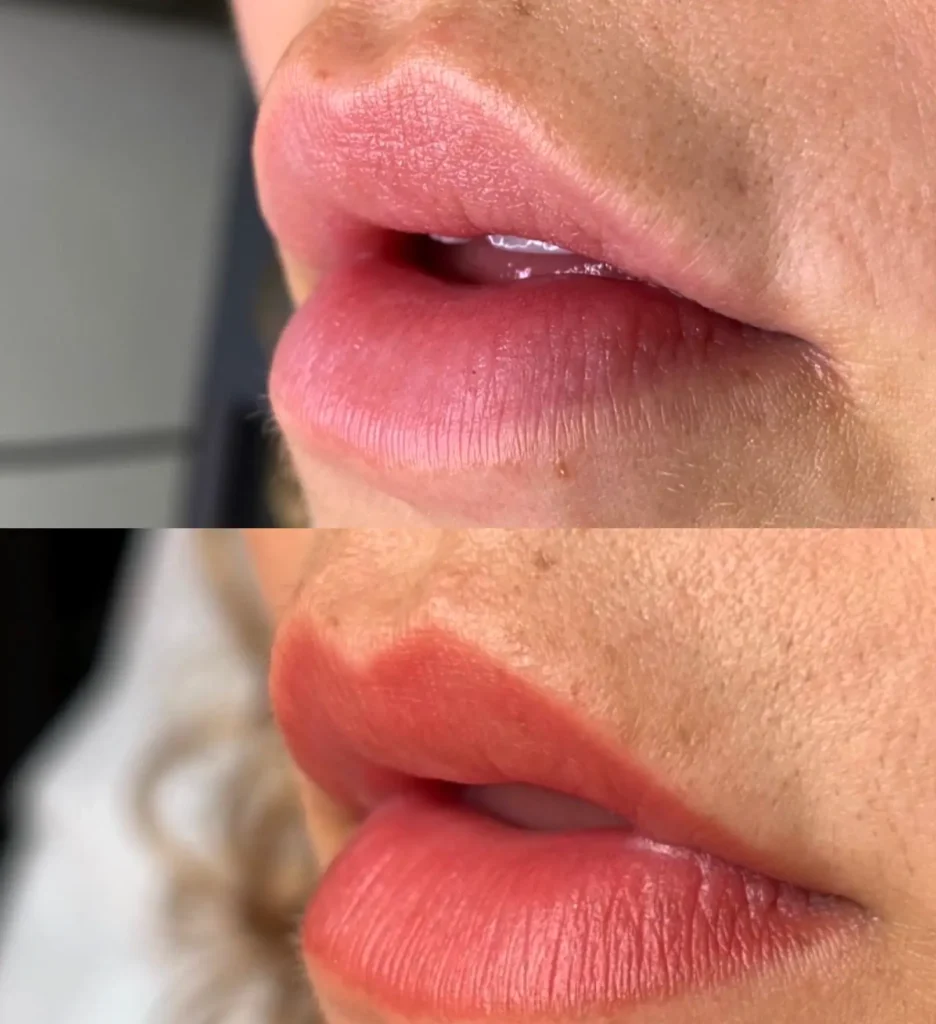
Tattoo blowouts in cosmetic work are usually due to one or more of these tattooing process errors or skin-specific factors:
1. Tattooing Too Deep
The most common cause. A properly performed cosmetic tattoo should sit in the upper dermis. Go too deep, and pigment hits fatty tissue — where it spreads unpredictably. Tattoo gun pressure, poor control, or working over thinner skin types increases this risk.
2. Wrong Angle or Needle Control
If the tattoo machine enters at an incorrect angle or with unstable pressure, the pigment can fan out. This risk increases when inexperienced tattoo artists attempt detailed work on fragile areas.
3. Thin or Fragile Skin
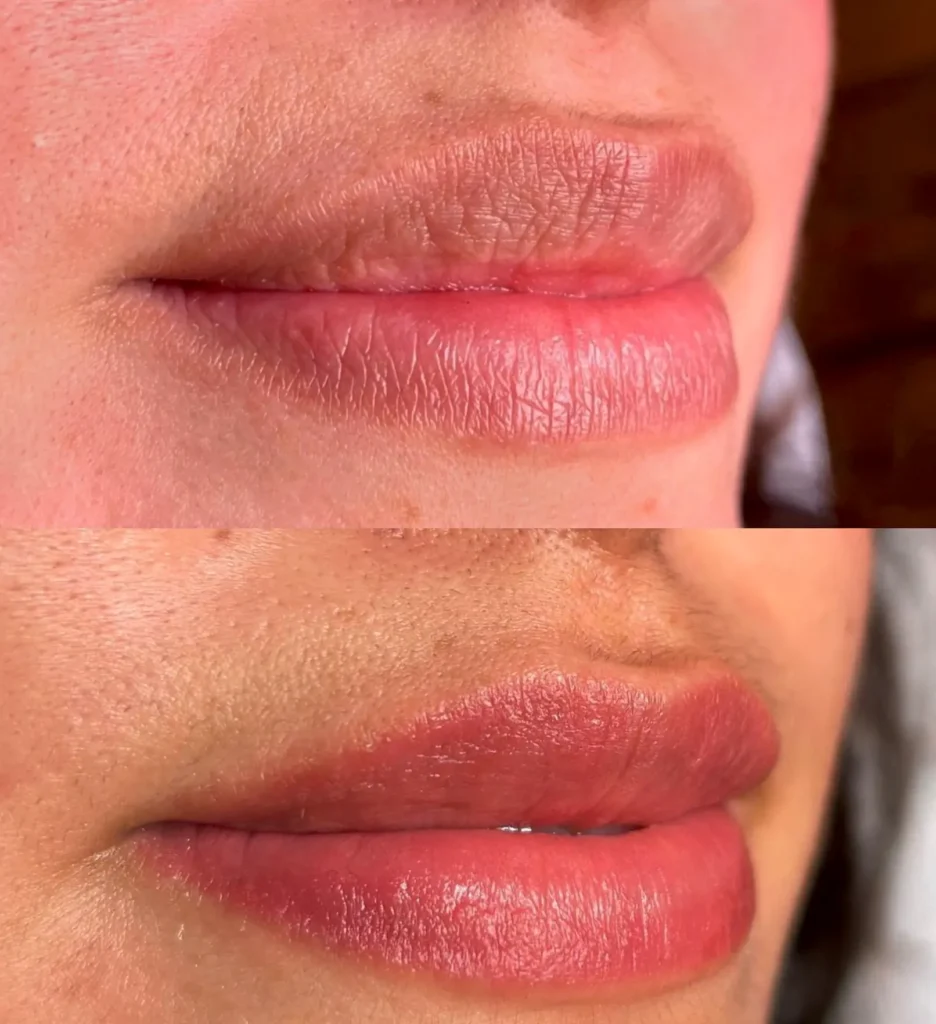
Thin skin — especially around the eyes or lips — is more prone to pigment migration. The same applies to skin traumatised by previous tattoo attempts or conditions like autoimmune skin conditions. A trained cosmetic tattooist knows how to assess and adjust for different skin types.
4. Movement During Tattooing
Blinking, twitching, or talking (hello, lip blush clients!) can distort strokes. This leads to a distorted image and dragged pigment.
5. Swelling and Aftercare Missteps
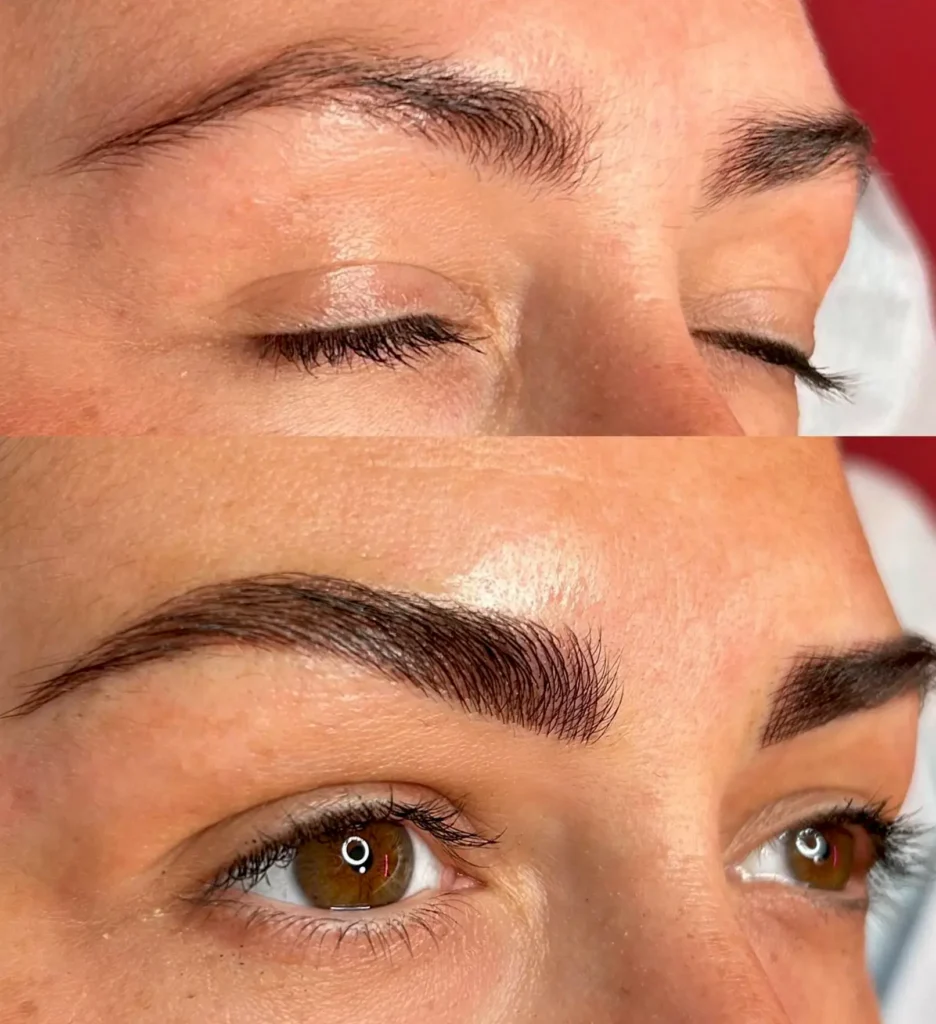
Swelling can push ink particles into the fat layer or outer lines of the tattoo. Not following proper aftercare instructions — like sleeping face-down or using salicylic acid-based skincare — can make things worse.
When It’s Not a Blowout (But Looks Like One)
Not every shadow or haze is a blown-out tattoo. Some reactions after tattooing are temporary or surface-level.
Sometimes it’s just:
- Normal Tattoo healing — initial pigment settles unevenly
- Skin tone vs pigment tone — darker tattoo pigments may look cooler on fair skin
- Uneven retention — typical in oily or compromised skin types
TIP: Wait until your 6-week touch-up to evaluate. The healing process includes flaking, fading, and resurfacing. In cities like Cosmetic Tattoo Brisbane hubs, we see plenty of panicked clients early in the healing stage who just need time.
Blowout vs Bruising vs Poor Design
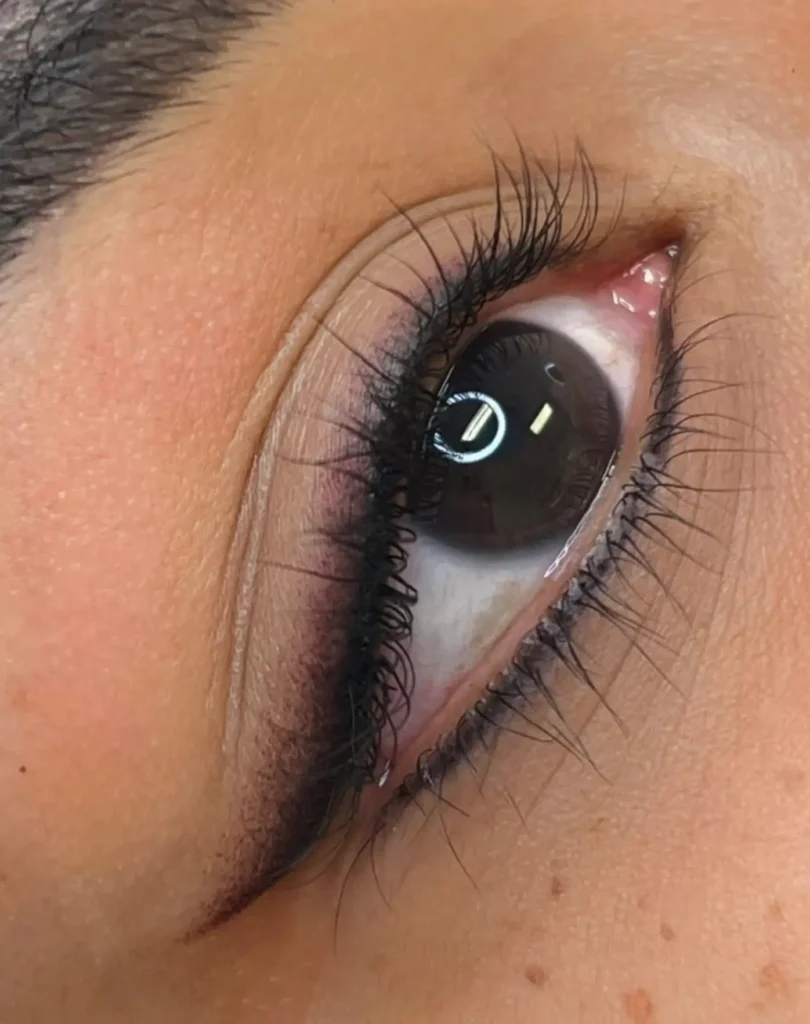
Let’s clear this up with a handy table:
| Issue | What It Looks Like | When It Shows Up | Fixable? |
|---|---|---|---|
| Blowout | Blurry halo, distorted shape, darker tattoo bleed | Days to weeks after | Sometimes (laser, correction) |
| Bruising | Purplish discolouration that fades | Immediately after | Yes (heals naturally) |
| Bad Design | Misplaced or asymmetric strokes, poor tattoo designs | Immediately visible | Yes (redesign or removal) |
How Common Are Blowouts in Cosmetic Tattooing?
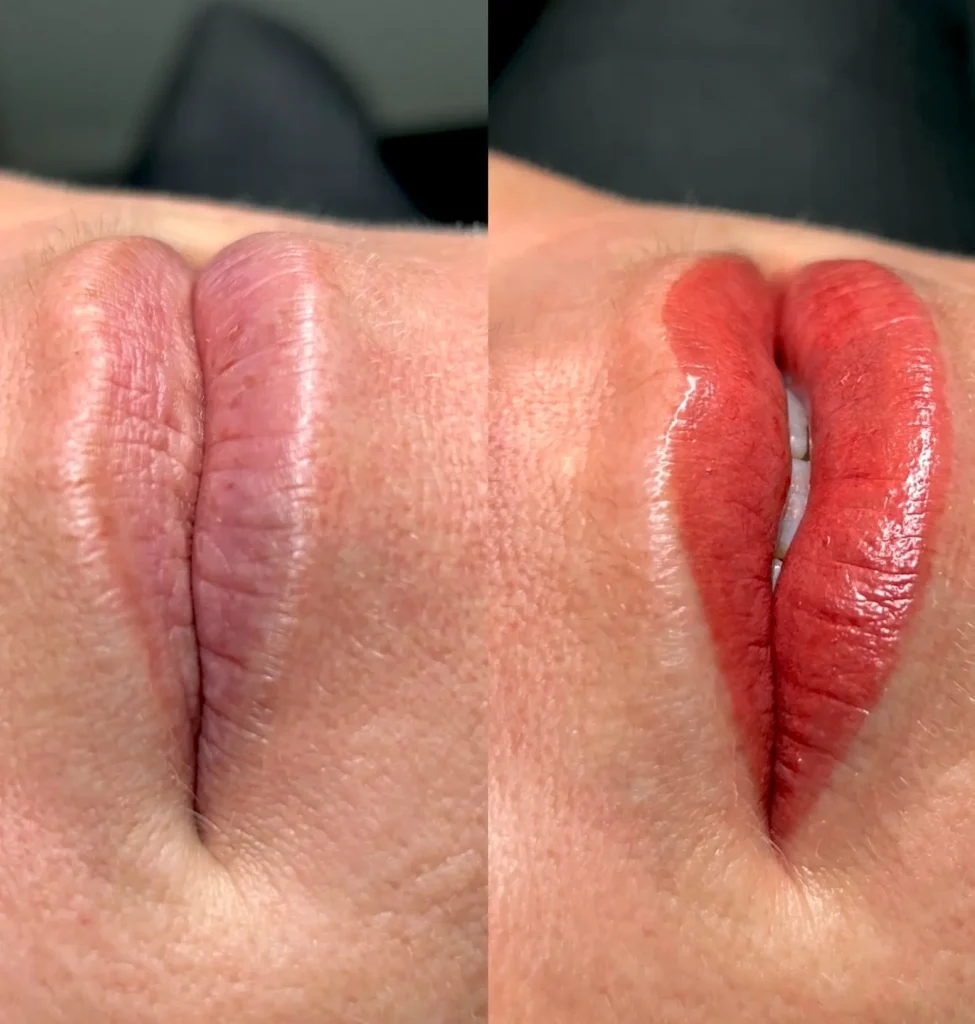
Industry discussions suggest that blown-out tattoos occur in 1 in 25 eyeliner tattoos and 1 in 50 brow tattoos, especially with inexperienced tattoo artists or during decorative tattooing over thinner skin.
Some contributing factors include poor tattooing process, improper aftercare products, and ignoring skin types. Tattoo expert forums also warn of higher risks in older clients and those with chronic inflammation or autoimmune disorders. A seasoned cosmetic tattoo artist will take all of this into account before ever picking up the machine.
Can You Fix?
Yes — but the approach depends on depth, pigment, and placement.
Options include:
- Laser tattoo removal using Q-switched lasers or energy waves
- Saline lightning — ideal for surface-level pigment migration
- Camouflage or additional tattooing may conceal faint halos
- Tattoo laser correction — useful for distorted eyeliner blowouts
- Surgical tattoo removal or surgical excision — only for severe, deep cases
Keep in mind: Laser treatments won’t lift yellow tattoos easily due to azo pigments and organic pigments used. A professional tattoo artist will explain whether fading or removal is realistic.
What To Do
Step 1: Don’t panic
Tattoo healing is messy. It’s not always a blowout. The goal is to monitor without rushing into invasive methods.
Step 2: Document your healing
Take weekly photos, keep your aftercare routine simple, and avoid exfoliants like trichloroacetic acid or poke method remedies.
Step 3: Consult a professional tattoo artist
Look for someone with correction experience. At Cosmetic Tattoo Studio Face Figurati, I often combine laser, clinical measures, or pigment fading techniques to restore balance.
What to Ask Before You Book
Key consultation questions:
- What skin types do you avoid tattooing?
- What tattoo machine and configurations do you use?
- How do you minimise the risk of complications like pigment migration?
- Can I see healed results, especially on clients with autoimmune skin conditions or thicker skin?
Always prioritise Protective measures and legislative measures around tattoo hygiene, skin biopsy follow-ups, and informed consent.
Final Thoughts
So, how do I know if I have a cosmetic tattoo blowout? If your healed tattoo shows pigment escaping the original shape, it could be a blowout. But don’t self-diagnose too early.
Consult a cosmetic tattooist — preferably someone who’s dealt with acute complications like allergic tattoo reactions, fungal infections, or treatment of molluscum contagiosum.
Cosmetic tattooing is both art and science. Whether you’re navigating aftercare, blowout risks, or choosing your next artist tattoos, remember: experienced artists = better outcomes.
FAQ
Is a tattoo blowout dangerous?
No. It’s a cosmetic issue, not a health threat. But it can trigger confidence dips or mild cutaneous tattoo reactions.
Can I fix a blowout with makeup?
Temporarily, yes. But covering deeper pigment with concealer won’t fix what’s under the skin surface.
Will the blowout fade over time?
Some will. Especially if caused by shallow needle passes or soft pigment. Deep ones may require standard treatment or additional treatments.
Does laser removal work on blowouts?
Q-switched lasers work best on darker tattoo pigment. Yellow tattoos or certain organic pigments can be stubborn.
Can I get another cosmetic tattoo after a blowout?
Yes. Just go with a reputable tattoo artist who understands the potential risk and how to avoid past errors.