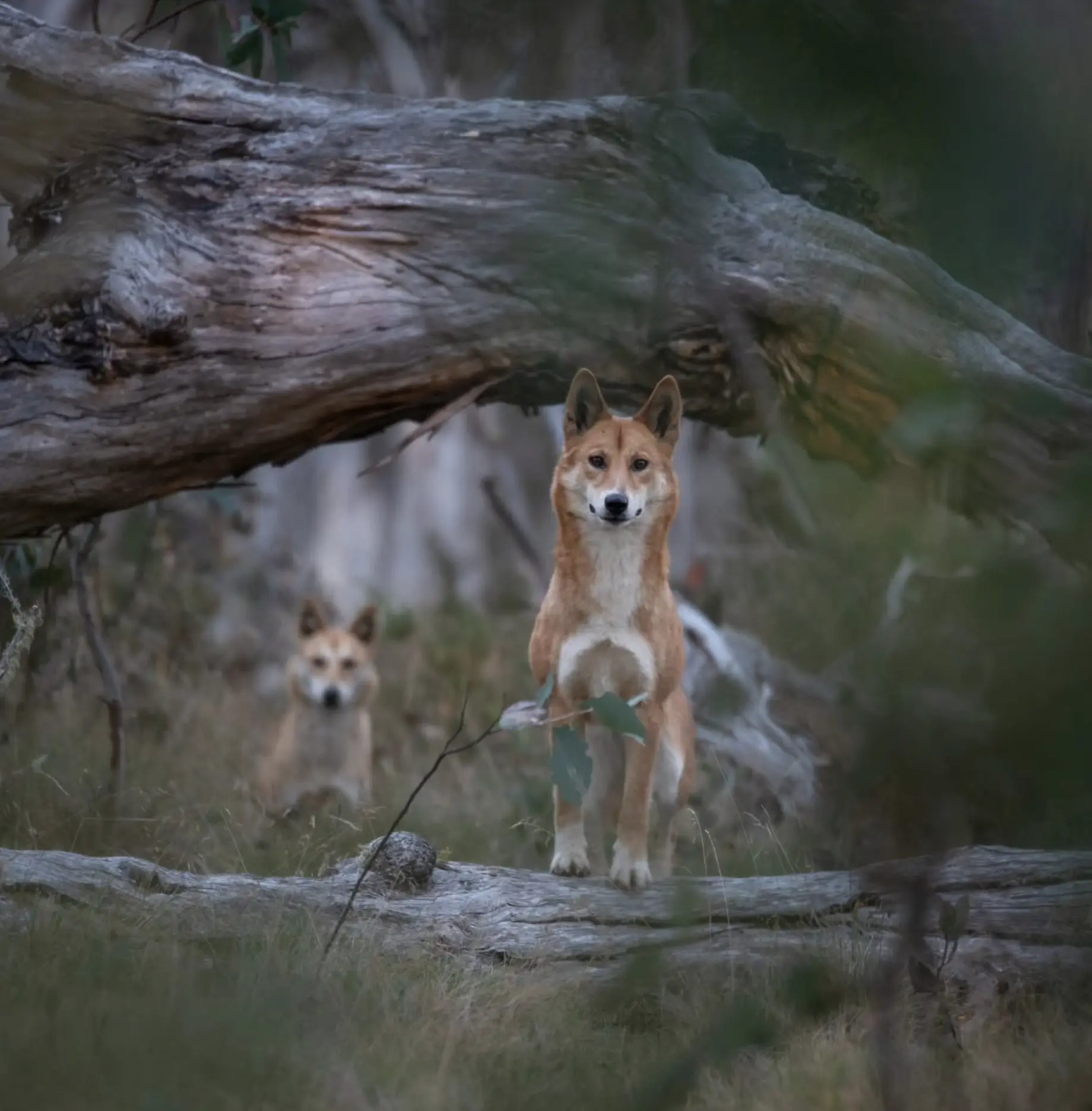
Kakadu National Park, a World Heritage-listed wilderness in Northern Australia, is a haven for biodiversity and Aboriginal culture. Stretching across tidal flats, sandstone escarpments and floodplains rich in alluvial soils, it’s home to a stunning array of endemic species, but are there dingos in Kakadu National Park? Let’s find out how these native species shape the park’s wild heart.
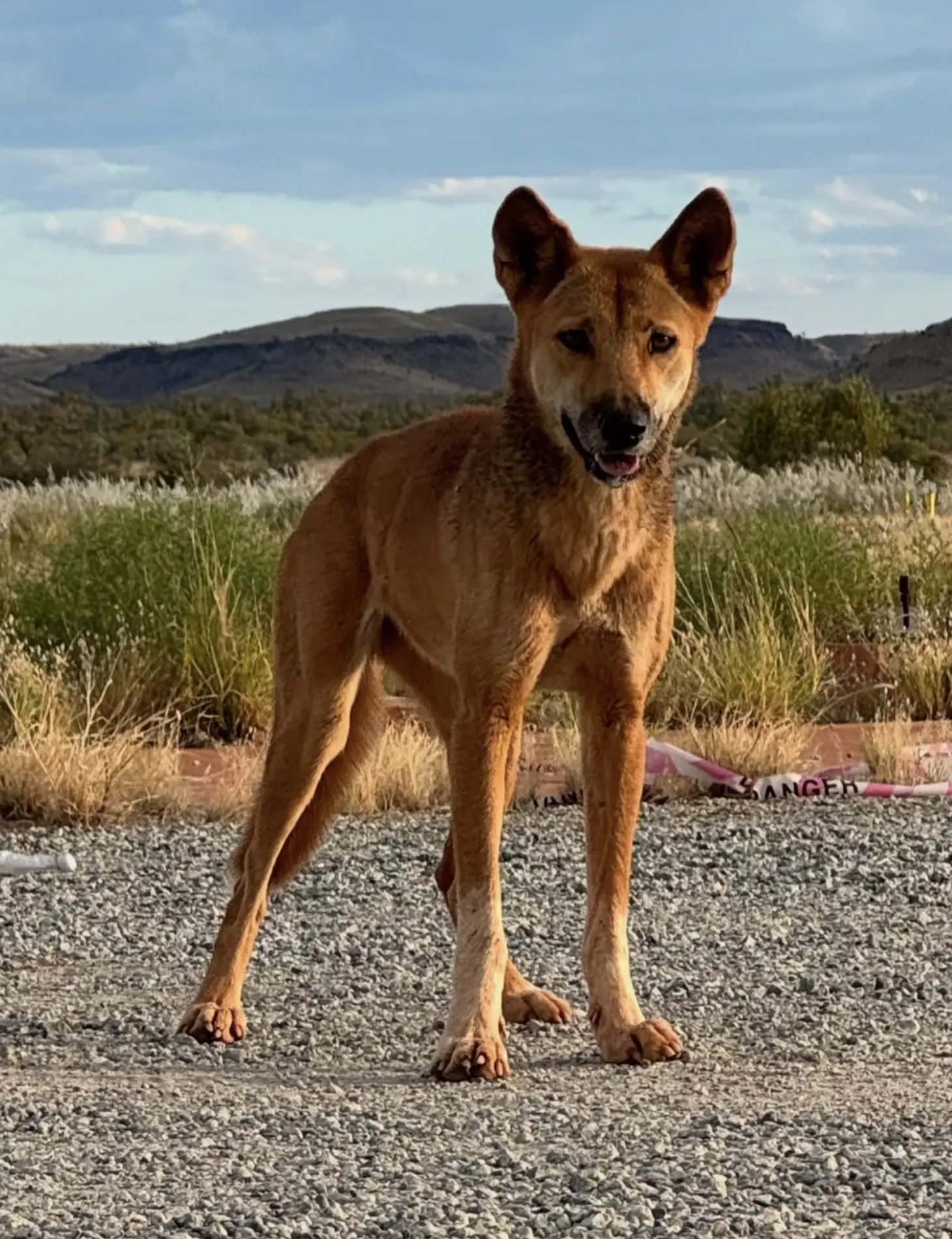
A Top End Resident
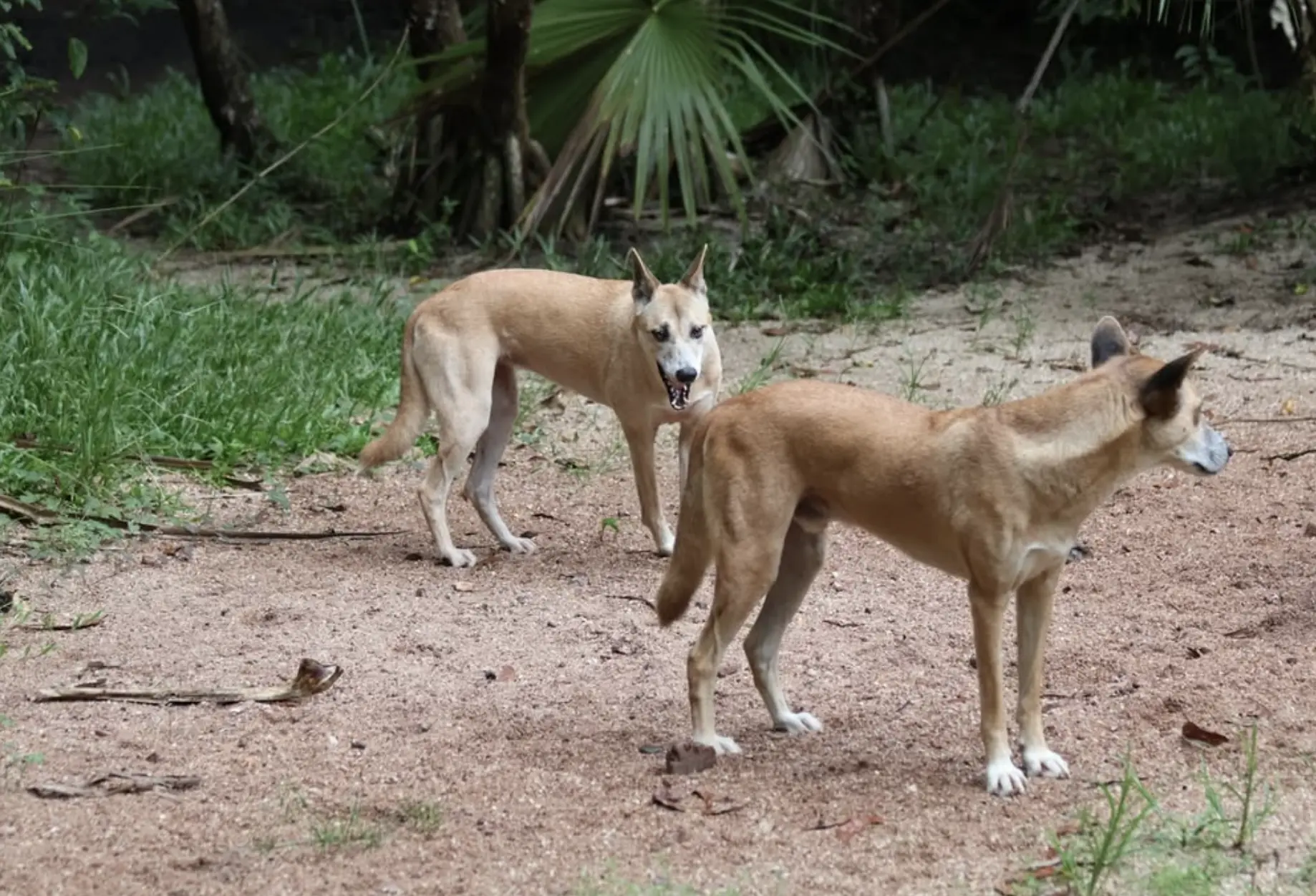
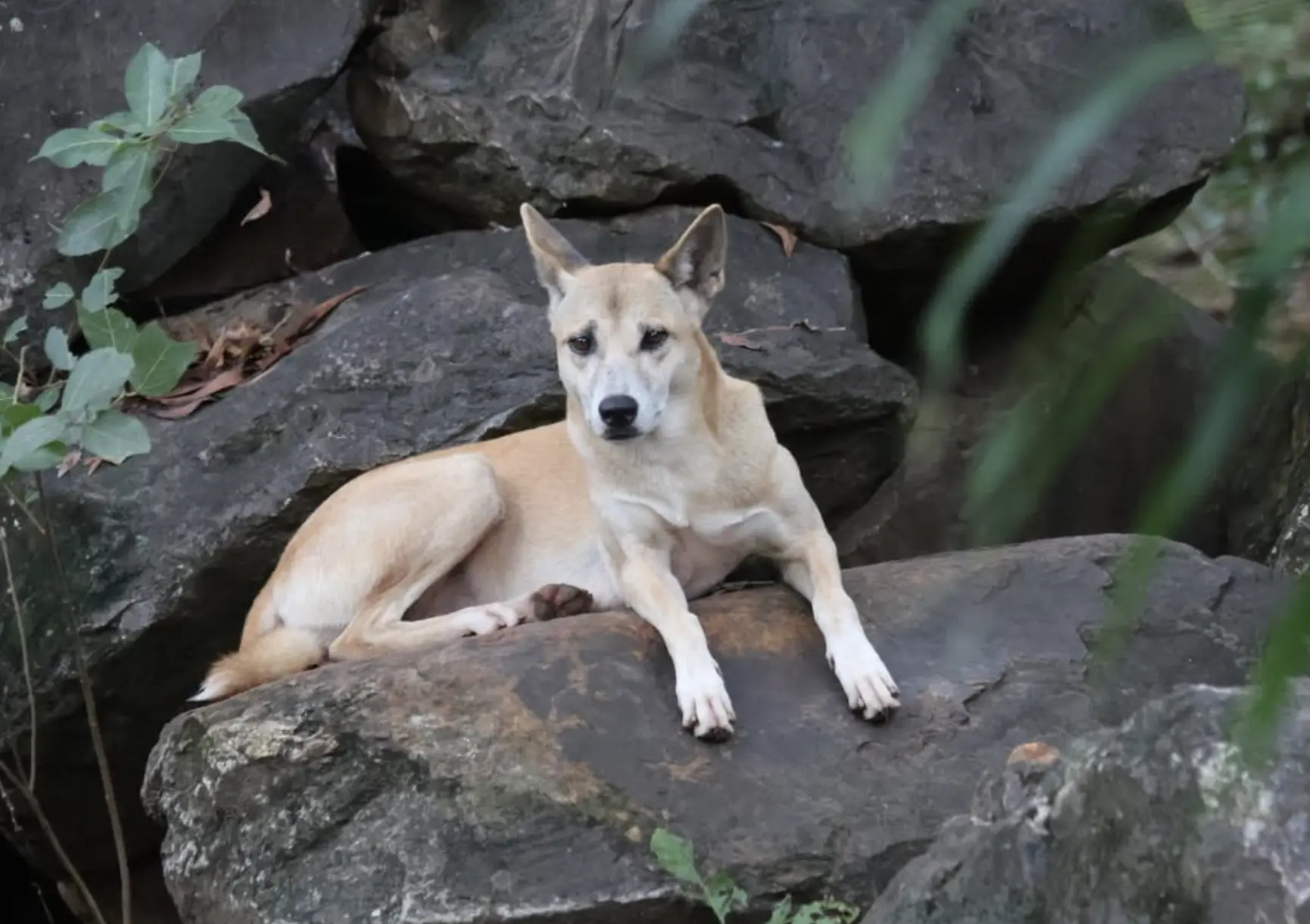
These clever, nocturnal animals are everywhere in the Arnhem Land region, including the Southern Hills, rock shelters, and flat lands of the park. Unlike captive dingoes in reserves or zoos, Kakadu’s dingoes are free-ranging and part of a larger dingo distribution across Northern Australia.
As native animals, dingos are adapted to Kakadu’s wet and dry seasons. During the breeding season (March to June), dingo pups are born in dens dug in soft, coarse soils or under shady trees. Dingos here are also known as camp dingos, as they sometimes appear near campgrounds.
Wildlife Encounters
While dingo sightings are possible in Kakadu, especially around Yellow Water Billabong and near water sources in the dry season, they are rare. Most encounters are at dawn or dusk when dingoes hunt Agile Wallabies, small mammals or feral livestock. The presence of prey species like Northern quolls, Short-eared Rock Wallabies, brush-tailed phascogales and Hooded Parrots supports the park’s food chain.
Near Yellow Water, flocks of Magpie Geese, green pygmy geese and even Chestnut-quilled Rock Pigeons attract predators. You’re more likely to see freshwater crocodiles (Crocodylus johnstonii) and water pythons, but if you’re lucky and quiet, you might catch a glimpse of a dingo in its ideal habitat near leaf litter under dominant plant species. Day trips Darwin to Kakadu for wildlife.
Are Dingos Hazardous to Visitors?
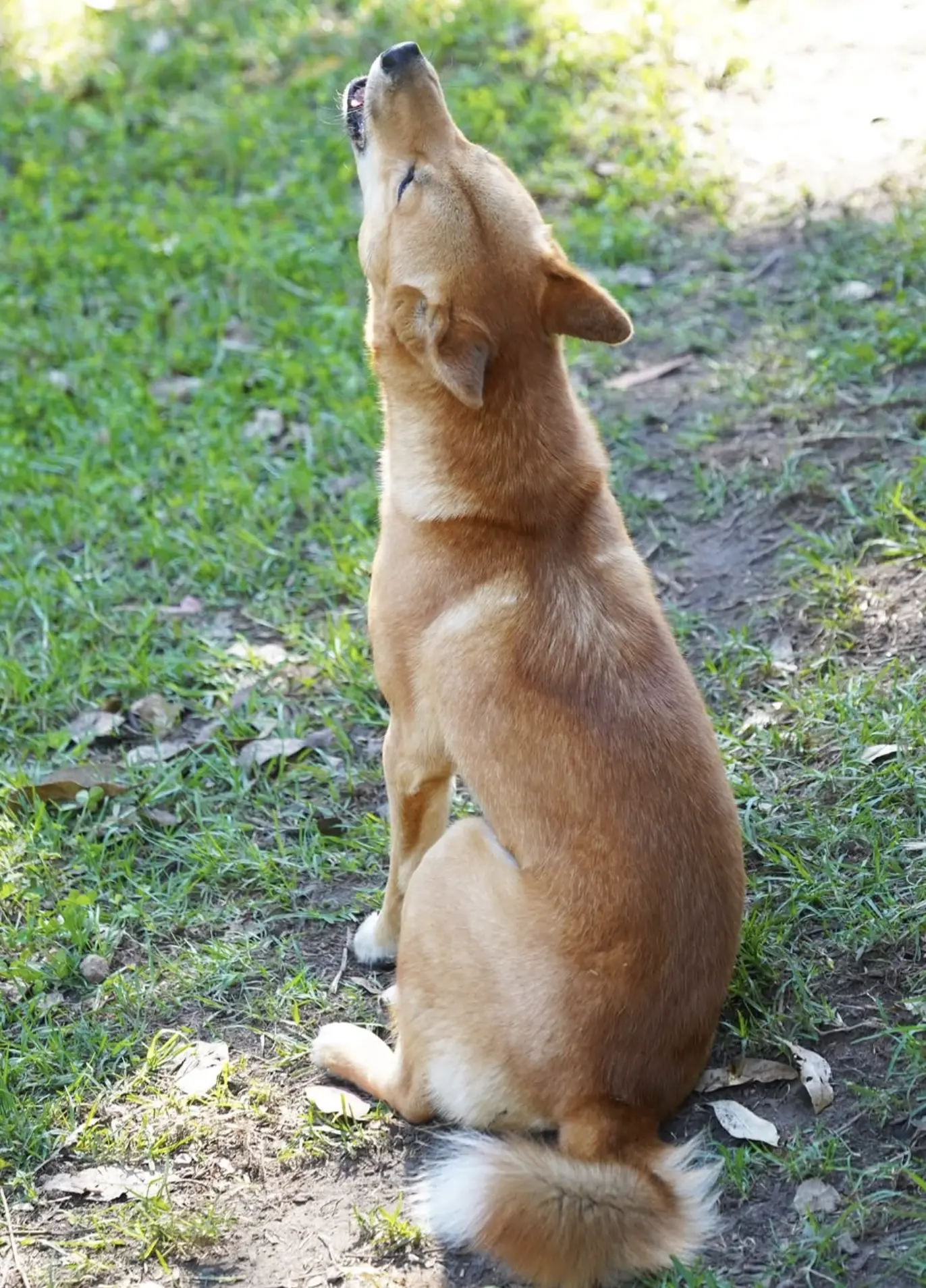
Like any wild animal, dingos can be a risk, especially if they become habituated to human populations. Kakadu’s dingo management strategy, run by Parks Australia and the Australian government, discourages feeding and promotes awareness to prevent negative encounters.
Dingos are less aggressive than saltwater crocodiles or estuarine crocodiles, and unlike these reptiles, they’re usually shy. However, visitors should still heed crocodile warning signs around coastal waters, billabongs and waterholes and be aware of other threats like cane toads and environmental hazards.
Some Kakadu tours include segments on tours saltwater crocodiles and other native predators, teaching visitors how to observe them safely in their natural habitat.
Safety Tips
To visit dingo country responsibly:
- Don’t approach or feed dingos—treat them as wild dingos, not domestic animals.
- Never leave food or rubbish out, especially at campgrounds.
- Be aware of animal traps in certain conservation areas.
- Supervise children and pets at all times.
- Report unusual or bold dingo behaviour to the Bowali Visitor Centre.
These tips also help prevent dingos from becoming food-conditioned and the need for dingo baiting or intervention.
Cultural and Ecological Significance
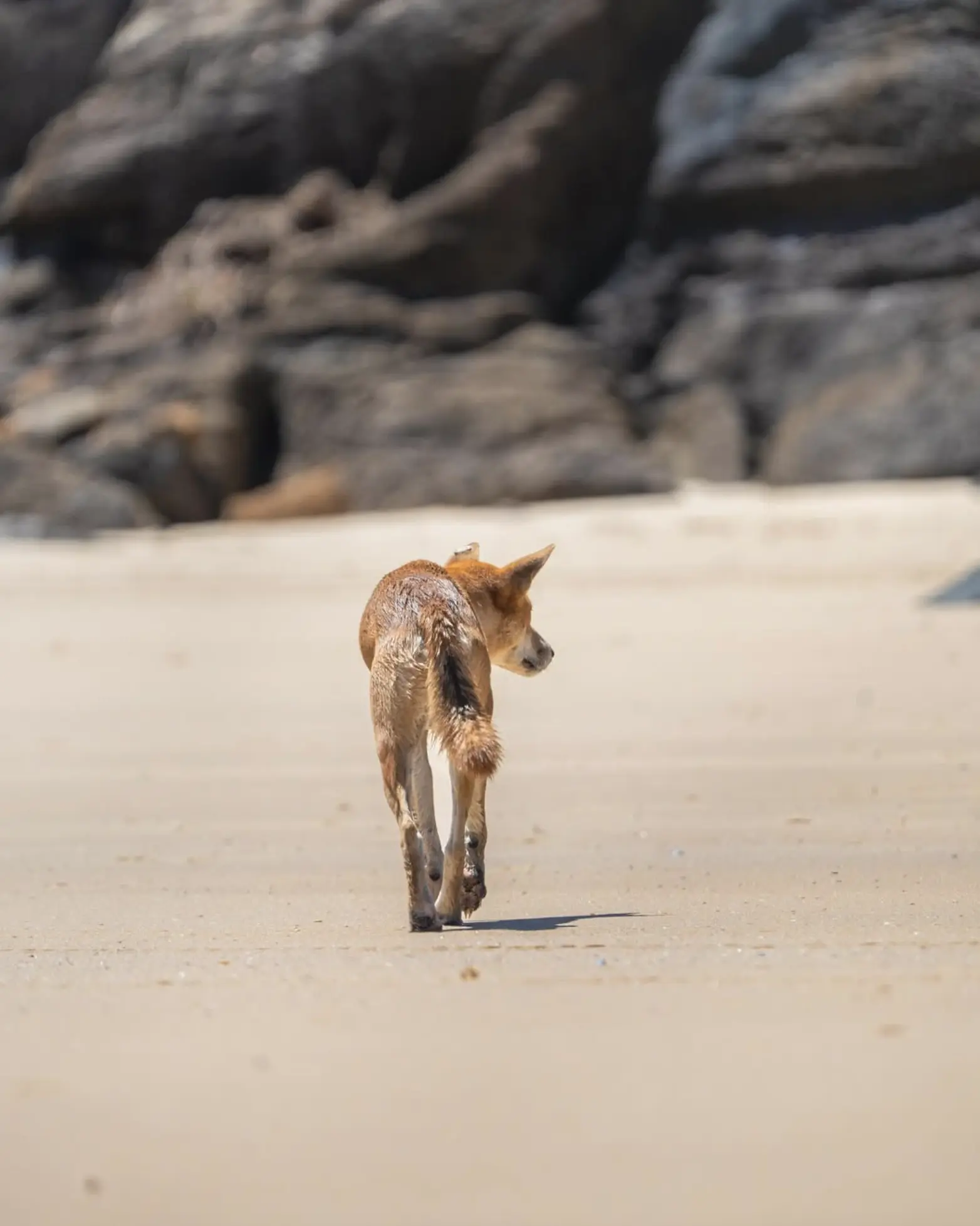
To the Aboriginal people of Kakadu, dingos have deep cultural significance. Indigenous people see dingos as spiritual figures in Dreaming stories, and their dingo ancestry goes back thousands of years, possibly as far back as the first dingo in Australia.
Including dingo lore and animal behaviour in Kakadu cultural tours allows visitors to connect with the land and the traditions of its traditional owners.
Ecologically, dingoes control invasive species, cat populations and grazers that cause habitat destruction. As apex predators, they preserve biodiversity and ecological diversity across ecosystems, especially in areas affected by feral livestock and land use change. And other native animals.
Best Time to Visit for Wildlife Spotting
The dry season (May to October) is the best time to see wildlife in Kakadu. Lower water levels mean animals congregate around water sources, increasing your chances of seeing dingos, Magpie Geese and other native animals.
Visitors often join Kakadu tours or take a day trip Darwin to Kakadu for the best wildlife viewing. For a deeper experience, combine scenic drives with a Yellow Water Cruise, or join a tour led by cultural guides from Arnhem Land who will give you insight into dingos and other animals through the eyes of traditional knowledge. Tour companies like Wayoutback Tours offer packages that go deeper into Aboriginal land and Dingo Fence country beyond Fraser Island.
Final Thoughts
Dingos are part of Kakadu National Park’s native animals, quietly shaping the park’s ecosystem. They are hard to see, but their presence means the park’s landscapes are intact, managed and culturally significant. Whether you’re walking in the Southern Hills, visiting sacred sites near Yellow Water or venturing into tidal flats, remember you’re walking in a land where dingos roam free, just like they have for thousands of years.
One great option is to book a guided experience with Autopia Tours, known for their small-group Kakadu adventures.
FAQ
Are dingoes native to Kakadu National Park?
Yes, dingos are a native species in Kakadu and play a crucial role in the region’s biodiversity.
When is the best time to see dingos in Kakadu?
The dry season is the best time for wildlife spotting. Dingos often search for water and food near billabongs and open plains during this time.
Are dingos dangerous to humans?
Dingoes generally avoid people but can become bold if they associate humans with food. Follow park rules and never feed wildlife.
Do Aboriginal people consider dingos sacred?
Yes, Aboriginal people see dingos as spiritually significant and feature them in Dreaming stories across Arnhem Land and beyond.
What’s being done to manage dingos in Kakadu?
The dingo management plan includes public education, limiting food access and monitoring dingo hybrids to preserve the purity of Australian dingoes.